iwinclub01.com: Injury News Bruno Fernandes Brings Good News Ready for Derby
Fans and daily fantasy managers are currently stuck in a holding pattern, forced to finalize lineup selections without concrete fitness confirmations. When a pivotal midfielder remains on the injury list days before a derby, the uncertainty disrupts tactical planning, betting markets, and weekly strategy. Until a club officially clears a player for full-contact preparation, every projection stays provisional.
Current Status and Immediate Implications
Recent updates regarding Bruno Fernandes show clear progress ahead of the upcoming derby clash. Club medical staff confirmed the midfielder has resumed light running drills and is now handling isolated positional work. This represents a measurable step forward from earlier reports that sidelined him following a midweek knock. Although an exact return date has not been finalized, the rehabilitation trajectory strongly points toward first-team availability within the coming days.
His potential return immediately alters midfield calculations. A veteran playmaker operating between the lines supplies essential creative distribution and late runs into the box, factors that frequently decide tightly contested derbies. If medically cleared, he would likely occupy a central hub role, enabling defensive partners to focus on tracking opposition movements rather than covering transitional space.
Hình minh hoạ: iwinclub
Tracking the Recovery Timeline
Senior midfielder rehabilitation follows a strict protocol, and recent milestones align with standard medical pathways:
Early Week Review: Initial assessments prioritized swelling reduction and joint mobility. Pain-free movement and stationary cycling received approval before any pitch activity.
Midweek Integration: He rejoined partial sessions, working directly with physiotherapists instead of the full squad. Passing drills and ball circulation tests coordinated movement under controlled fatigue.
Weekend Clearance Window: Full-contact participation serves as the final requirement. Coaching staff will evaluate reaction speed, sprint output, and aerial duels during Friday’s open practice before locking in Sunday’s decision.
This phased method prevents short-term match availability from jeopardizing long-term conditioning. The forty-eight-hour gap between full training and kickoff gives medical teams ample time to adjust load management if needed.
Evaluating Source Reliability and Rumors
Derby week triggers a flood of information, making verification essential. Official club statements remain the most accurate baseline, typically distributed through verified channels using precise terminology like «training,» «recovering,» or «unsuitable.» These reports rarely speculate beyond clinical facts.
Embedded journalists offer valuable context regarding training-ground dynamics and coach interactions, yet their analysis sometimes blends observation with assumption when direct quotes are absent. Unverified forums and betting exchanges frequently amplify minor updates into definitive headlines, generating noise that complicates roster planning. Many supporters track these developments through aggregator sites like iwinclub, but cross-referencing against primary club communications remains mandatory before accepting any claim.
The prevailing consensus indicates cautious optimism. Trusted outlets report zero setbacks in the rehab process, while tactical analysts note that derby physicality does not automatically rule out a returning player if training loads were properly regulated. Surprise start rumors remain unconfirmed, though feasible if Friday’s metrics show flawless execution.
Tactical Adjustments and Final Verdict
A fitness declaration forces immediate rotation choices. Keeping other midfielders fresh might be required to sustain intensity over ninety minutes, whereas resting key figures preserves stamina but removes a proven chance creator. Substitution windows also shift; a recently recovered athlete may benefit from a measured sixty-minute cameo rather than a full appearance, particularly if match tempo escalates rapidly.
The final call rests exclusively on Friday’s training output. Medical clearance never guarantees selection, as managers weigh current sharpness, opponent matchups, and in-game workload distribution. If recovery metrics hold and the coaching staff voices confidence in match readiness, expect prominent involvement in the predicted XI. Should any hesitation emerge during contact drills, a controlled bench role or complete rest becomes the practical alternative.
All projections remain conditional until the official squad list releases. Observers should monitor real-time training footage, post-session interviews, and verified team sheets closer to kickoff. The ultimate decision depends entirely on whether the medical department confirms full readiness and the tactical blueprint demands immediate midfield reinforcement.
https://www.invaar.com/wp-content/uploads/2025/03/logo-invaar-web-300x138.png00invaarhttps://www.invaar.com/wp-content/uploads/2025/03/logo-invaar-web-300x138.pnginvaar2024-12-01 17:26:132024-12-01 17:26:13iwinclub01.com: Injury News Bruno Fernandes Brings Good News Ready for Derby
nhatvip.giving: Injury News Chiesa Suffers Hamstring Muscle Injury Again
Fans, analysts, and sporting directors are currently grappling with a pressing uncertainty: how long will Chiesa be unavailable, and what does a recurring hamstring strain indicate about his current physical resilience? The immediate problem is not merely the absence of a key player from the starting lineup, but the difficulty in separating verified medical timelines from optimistic press speculation. When a high-intensity athlete experiences repeated soft-tissue setbacks, squad planning, fantasy league strategy, and tactical preparation all hinge on accurate information. Until the club releases definitive follow-up assessments, stakeholders are left navigating conflicting reports, making it essential to trace exactly what has been confirmed, what remains unverified, and how sports medicine departments typically handle this specific type of muscular recurrence.
Immediate Club Announcements and Source Verification
The most recent development centers on the official communication channels confirming that Chiesa sustained another hamstring muscle injury during training preparations. Medical staff at the facility initially flagged the incident following a sharp restriction in sprint mechanics and localized pain response during high-velocity drills. Within hours, the club’s press office issued a brief statement acknowledging the event, explicitly categorizing it as a Grade 1 or Grade 2 muscle tear depending on the severity of fiber disruption, while deferring detailed imaging results until after a scheduled MRI review. This cautious phrasing is standard practice, as clubs rarely disclose precise grading percentages before independent sports radiologists finalize their reports.
Distinguishing confirmed facts from early reporting requires careful attention to which entities are speaking. The physiotherapy department provided the initial injury classification, while the sporting director deferred to clinical specialists regarding return-to-play metrics. Independent medical journals and former athletic trainers have noted that second-hand reports often exaggerate recovery windows, especially when social media accounts attempt to predict match availability days before internal testing begins. The current verified status remains straightforward: Chiesa is undergoing diagnostic imaging, participating in controlled water-based mobility sessions, and remains officially listed as day-to-day observation pending scan results.
Information Category
Confidence Level
Current Status
Injury Occurrence
Confirmed
Training session incident, acute pain response documented
Muscle Group Affected
Confirmed
Hamstring complex (proximal/mid-belly region)
Tear Severity Grade
Unconfirmed
Awaiting MRI radiology report from independent specialist
Return-to-Play Window
Speculative
Projected ranges vary; club declined premature dating
Physiological Context and Historical Load Management
Recurrent hamstring injuries rarely occur in isolation; they typically signal underlying adaptations in neuromuscular control, fascial tension, or accumulated micro-trauma that previous recovery phases did not fully resolve. Sports scientists consistently emphasize that the hamstring complex operates under extreme eccentric loads during deceleration and stride transition, making it highly susceptible to re-injury if returning to running volume too quickly. Churches’ medical history suggests a pattern where fatigue accumulation during congested fixture periods compromised tissue elasticity, creating a vulnerable window for subsequent strain events.
Modern athletic programs approach these situations through load-tracking algorithms rather than subjective feeling reports. GPS vests, force-plate testing, and velocity-based training metrics now provide objective data on asymmetric power output and ground contact time disparities. When bilateral measurements diverge by more than five percent, clinicians usually intervene with reduced plyometric exposure and targeted eccentric strengthening. In Chiesa’s case, internal performance dashboards likely highlighted early warning signs during the pre-season conditioning block, yet competitive urgency and travel schedules can sometimes delay protective reductions until a structural failure becomes unavoidable.
Understanding the biological mechanism clarifies why managers hesitate to announce firm comeback dates. Muscle regeneration follows a predictable cellular timeline, but functional recovery depends on restoring proprioception, tendon stiffness, and kinetic chain coordination. A Grade 1 strain may require three to four weeks for full sprint capacity, whereas a Grade 2 tear often demands six to eight weeks of phased loading before match intensity becomes viable. Without explicit confirmation of the tear grade, any published return date remains an educated guess rather than a clinical guarantee.
Rehabilitation Protocols and Timeline Projections
The current treatment pathway focuses on minimizing scar tissue adhesion while preserving blood flow to the injured region. Early-stage interventions typically include relative rest, controlled compression, and gentle dynamic stretching that avoids aggressive passive range-of-motion techniques, which can disrupt nascent collagen alignment. Clinical specialists generally introduce isotonic resistance within seventy-two hours, progressing to Scandinavian hamstring curls and Nordic curl regressions once pain-free walking is established.
As healing advances, the rehabilitation phase shifts toward velocity restoration and sport-specific movement patterns. Athletes complete resisted band sprints at decreasing angles, gradually increasing pitch speed from fifty to ninety percent capacity. Plyometric introduction occurs only after strength benchmarks meet or exceed the uninjured limb, preventing compensation strategies that place excessive shear stress on the recovering fibers. If Chiesa progresses without complications, the projected window aligns with standard biomechanical milestones: initial jogging by week two, change-of-direction drills by week three, and full training integration by week four to six.
It is crucial to note that external analysts frequently misinterpret these milestones as calendar certainty. Individual variability in inflammatory response, sleep quality, nutrition adherence, and psychological readiness significantly alters tissue remodeling rates. Some athletes demonstrate rapid functional gains despite slower structural healing on ultrasound, while others exhibit optimal scan results but delayed neuromuscular firing patterns. Only repeated functional testing at the training ground can bridge the gap between radiological improvement and match readiness.
Tactical Adjustments and Stakeholder Communications
Cheese’s absence forces immediate schematic recalibration, particularly in wide attacking zones where his verticality, defensive tracking, and transitional pressing create systemic advantages. Coaches typically respond by redistributing wing-back responsibilities, adjusting overlapping run timings, and emphasizing cross-field distribution to reduce reliance on isolated one-on-one progression. Midfield positioning may shift slightly to compensate for the loss of forward support, ensuring defensive stability while preserving counterattacking options.
Speaking engagements from the head coach and fitness staff reflect measured optimism tempered by structural caution. Tactical discussions emphasize squad depth utilization rather than panic-driven improvisation, highlighting that temporary formation tweaks rarely indicate permanent strategic abandonment. Analysts reviewing training footage have noted increased emphasis on collective pressing triggers and structured wide overloads, designed to maintain territorial dominance despite personnel changes. Meanwhile, the medical lead reiterated that patient-driven recovery takes precedence over calendar convenience, reinforcing institutional commitment to long-term durability over short-term availability.
For stakeholders tracking real-time updates across sports platforms, reliable injury tracking often requires cross-referencing official club feeds, accredited sports journalists, and independent physiotherapy networks. Many enthusiasts find centralized databases like those hosted on nhatvip helpful for aggregating verified announcements, filtering out unverified rumors, and maintaining structured records of player availability trends. Consistent documentation reduces misinformation exposure and supports more accurate forecasting models.
Upcoming Monitoring Phases and Verification Checklist
The coming weeks will determine whether this setback follows a standard recuperation curve or exposes deeper biomechanical vulnerabilities. Monitoring checkpoints include weekly MRI follow-ups, strength symmetry assessments, and graded pitch exposure logs. Each milestone must satisfy clinical thresholds before advancing to the next training block. Coaches will evaluate positional spacing during mid-week sessions, while sports scientists track heart rate variability and neuromuscular fatigue markers to prevent premature escalation.
Stakeholders should prioritize observable data over speculative headlines. Functional testing results, supervised sprint metrics, and documented training participation carry more weight than informal predictions shared on unverified forums. Maintaining a clear distinction between structural healing and sport-specific readiness prevents misplaced expectations regarding match availability.
Track official club statements for updated MRI grading and approved rehabilitation stage transitions.
Monitor verified training attendance logs rather than relying on unofficial social media estimates.
Review post-session sports science reports for strength asymmetry corrections and velocity restoration progress.
Adjust tactical expectation frameworks by preparing secondary wide configurations that accommodate interim personnel swaps.
Document weekly functional test outcomes to compare individual recovery trajectories against established clinical benchmarks.
Filter rumor-driven projections by cross-referencing accredited sports medicine publications and club-approved press briefings.
Maintain contingency planning for fixture congestion scenarios in case rehabilitation extends beyond initial projections.
The intersection of modern sports science, transparent medical communication, and disciplined load management will ultimately dictate how quickly Chiesa returns to peak competitive condition. By focusing on verified milestones, respecting clinical timelines, and avoiding premature calendar commitments, everyone involved can navigate this setback with clarity and operational precision.
https://www.invaar.com/wp-content/uploads/2025/03/logo-invaar-web-300x138.png00invaarhttps://www.invaar.com/wp-content/uploads/2025/03/logo-invaar-web-300x138.pnginvaar2024-12-01 16:46:112024-12-01 16:46:11nhatvip.giving: Injury News Chiesa Suffers Hamstring Muscle Injury Again
Injury Update: Gabriel Magalhães Return Provides Major Boost for Arsenal’s Defensive Structure
If you have spent the last forty-eight hours refreshing your feed hoping for clarity on Arsenal’s defensive availability, you are not alone. Central defenders carry a unique weight of expectation, and when a primary starter faces even a routine knock, the immediate ripple effect touches lineup speculation, fantasy league decisions, and broader tactical planning. The frustration lies not in the injury itself, but in the overwhelming volume of conflicting headlines, unverified social media posts, and premature timeline predictions. This update strips away the noise, compiles the most credible reporting available, and separates confirmed medical progress from industry speculation so you can move forward with accurate information.
Executive Summary & Key Takeaways
[Update: Current Reporting Cycle] Gabriel Magalhães has progressed through the club’s standard rehabilitation protocol and is participating in controlled training drills. The medical staff has not yet issued a definitive return-to-match date, which remains contingent upon completing the final load-management phase.
Arsenal’s performance department has confirmed he is pain-free during low-intensity movement.
Independent medical assessments align with internal reports, indicating steady tissue recovery.
No official statement has authorized competitive match inclusion before the midweek fixture window.
Rumor mills continue to project accelerated timelines; these lack clinical backing and should be treated as speculative.
The overarching takeaway is straightforward: Gabriel is trending in the correct direction, but the club is adhering to a conservative progression model. This approach prioritizes long-term availability over short-term risk mitigation, a standard practice for high-value defenders handling heavy aerial and physical loads throughout a congested campaign.
When any outfield player sustains a non-fracture musculoskeletal complaint, the immediate priority shifts to classification. Modern football medicine relies on standardized frameworks that categorize injuries by tissue type, severity, and expected healing duration. Initial evaluations typically involve localized imaging, functional movement screening, and comparative biomechanical analysis against baseline metrics. For a defender of Gabriel’s profile, who regularly engages in contact-heavy challenges and transitional pressing, the medical team focuses heavily on hamstring integrity, adductor stability, and joint capsule responsiveness.
Reports indicate that the initial incident occurred during a standard training session rather than a match environment. This distinction matters because controlled settings allow coaches and clinicians to isolate the mechanism of injury without the chaotic variables of live opposition. Once classified, the athlete enters a phased recovery track. Phase one emphasizes symptom reduction and protected mobility. Phase two introduces graduated strengthening and sport-specific movement patterns. Phase three bridges the gap between clinical readiness and competitive intensity. Each stage requires documented clearance before advancing.
Rehabilitation Milestones
Gabriel has successfully navigated the early symptomatic phase and transitioned into structured conditioning. Training ground footage and accredited observations confirm his participation in isolated resistance work, followed by integrated running circuits that gradually increase velocity and directional changes. The medical department monitors heart rate variability, local tissue temperature, and subjective pain scores to ensure the body adapts without triggering compensatory fatigue.
One critical milestone in his progression involves reactive agility drills. Defenders must demonstrate rapid deceleration, lateral shuffling, and vertical explosion under simulated match conditions. These movements place disproportionate stress on lower-body connective tissues, making them a reliable indicator of functional readiness. Early indicators suggest stable neuromuscular control, though the club maintains a cautious stance until the final integration phase concludes. Tracking these markers provides a transparent view of how professional clubs manage return-to-play logistics behind closed doors.
Source Verification: Official Statements vs. Media Speculation
The modern sports landscape operates at breakneck speed, and information fragmentation is inevitable. Distinguishing verified updates from unconfirmed narratives requires understanding where reports originate and how they are validated. Arsenal’s official communication channels publish structured medical bulletins through designated press officers and the club’s verified digital ecosystem. These releases follow strict editorial guidelines, avoiding premature claims while confirming procedural milestones.
Accredited journalists embedded with the squad provide additional context, particularly regarding training ground attendance and drill participation. Their access allows them to observe subtle cues that casual observers miss, such as protective bracing, modified sprint angles, or supervised shuttle runs. When multiple independent reporters corroborate the same developmental step, confidence in the timeline increases significantly.
Conversely, speculative content often originates from algorithm-driven aggregation sites, anonymous social media accounts, and commentary forums lacking direct club access. These outlets frequently amplify exaggerated recovery estimates to capture engagement metrics. Readers should treat projected debut dates shared outside official channels as hypothetical scenarios rather than clinical forecasts. Cross-referencing at least three reputable sources before accepting a timeline remains the most reliable method for filtering noise. For supporters seeking consolidated tracking across multiple regions and verified medical bulletins alongside broader tactical breakdowns, platforms like manclub provide aggregated feeds that streamline the verification process.
Tactical Implications and Squad Rotation Scenarios
Short-Term Adjustments
Gabriel’s playing style fundamentally influences Arsenal’s defensive architecture. His comfort receiving possession under pressure, combined with precise progressive passing ranges, allows the midfield trio to operate with greater spatial freedom. When absent, tactical adjustments typically involve shifting build-up responsibility toward fullbacks or utilizing a deeper-lying pivot to relieve central congestion. The defensive line may also adopt a slightly narrower shape to compensate for reduced lateral recovery speed.
Rotation options exist within the current roster, but each alternative carries distinct trade-offs. Partnerships require synchronization in stepping up the offside line, managing second balls, and communicating zonal responsibilities. Introducing unfamiliar combinations during high-stakes fixtures increases cognitive load and decision-making friction. Until Gabriel completes his final load-management phase, the coaching staff will likely prioritize defensive stability over aggressive positional play, leaning on structured compactness and disciplined pressing triggers.
Long-Term Squad Planning
From a macro perspective, injury updates inform broader roster construction and contract strategy. Clubs continuously evaluate injury recurrence patterns, workload distribution, and positional depth across seasonal cycles. A prolonged absence would trigger contingency planning, potentially influencing loan negotiations, short-term acquisitions, or rotational scheduling. However, the current trajectory suggests manageable disruption rather than structural vulnerability.
The performance department also uses these windows to assess alternative profiles. Training sessions become testing grounds for evaluating how younger defenders adapt to first-team tempo, how veterans manage recovery intervals, and how tactical systems flex under varying personnel configurations. Every incremental step Gabriel takes during rehabilitation provides data that informs both immediate match selection and extended squad optimization. Understanding this dual purpose clarifies why clubs resist rushing returns, even when fan pressure mounts.
What the Next Phase Looks Like for the Gunners
As Gabriel approaches the integration threshold, several observable markers will define his pathway back to competitive action. The next fourteen days typically focus on match-simulated intensity, including small-sided games with defensive transition exercises, set-piece organization rehearsals, and controlled contact exposure. Coaches monitor communication volume, positioning accuracy, and recovery efficiency after sprints.
Managerial press conferences remain the primary venue for timeline clarification. Head coaches rarely commit to specific debut dates before final medical sign-off, preferring language that emphasizes readiness over calendar deadlines. Recent trends show managers referencing numerical thresholds, training attendance consistency, and physiological benchmarks rather than fixed match projections. Fans should expect measured updates that highlight progress while reserving final approval for the clinical lead.
Fixture scheduling will also influence pacing. Congested calendars force strategic rest allocation, meaning even fully recovered players may sit out selected matches to preserve muscular resilience. The performance team coordinates with scouting and operations departments to map optimal load distribution across home and away blocks. This holistic approach ensures that returning athletes enter competition with adequate reserve capacity rather than accumulated fatigue.
Key Risks and Monitoring Points
Returning from a musculoskeletal complaint introduces measurable variables that require careful management. The primary concern revolves around tissue remodeling. During rehabilitation, repaired fibers undergo structural reorganization, which initially reduces tensile strength and elasticity. Premature exposure to high-velocity stretching or eccentric loading can trigger micro-tears, extending recovery windows and increasing reinjury probability.
Secondary risks include compensatory movement patterns. Athletes who subconsciously protect an affected area often develop altered gait mechanics, hip stabilization deficits, or uneven weight distribution. These adaptations persist beyond the initial injury site, creating downstream vulnerabilities in the knees, ankles, or contralateral limb. Continuous biomechanical screening and corrective exercise programming mitigate this cascade effect.
Cognitive fatigue represents another overlooked factor. Match intensity demands rapid visual processing, predictive timing, and split-second decision-making. Post-injury mental sharpness does not always align with physical readiness, requiring deliberate exposure to high-pressure scenarios before full deployment. Monitoring sleep architecture, nutrition compliance, and psychological stress levels provides additional layers of protection.
Finally, external scheduling pressures introduce logistical risks. Travel congestion, altitude changes, and climate transitions disrupt circadian rhythms and muscular recovery rates. Clubs implement hydration protocols, localized cooling strategies, and adjusted training volumes to counteract environmental strain. Recognizing these interconnected variables underscores why conservative progression models dominate elite football operations.
Frequently Asked Questions
Q: When exactly will Gabriel be eligible to play again?
A: No official debut date has been confirmed. Competitive inclusion depends on completing the final load-management phase and receiving clinical clearance from the medical department.
Q: Can I trust projection timelines shared on social media?
A: Unverified posts rarely reflect clinical realities. Always cross-reference with official club communications and accredited beat reporters before adjusting plans based on predicted return windows.
Q: How does his status affect upcoming tactical setups?
A> Short-term arrangements emphasize defensive compactness and structured pressing. Full integration restores progressive buildup options and widens positional flexibility across the back line.
Q: What indicators signal successful rehabilitation?
A: Pain-free movement, normalized force production, consistent recovery agility, and stable neuromuscular control during match-simulated drills form the core assessment criteria.
Q: Are there precautionary measures for fans tracking updates?
A: Focus on procedural milestones rather than calendar dates. Monitor training attendance logs, managerial press remarks, and accredited medical bulletins to avoid misinformation traps.
https://www.invaar.com/wp-content/uploads/2025/03/logo-invaar-web-300x138.png00invaarhttps://www.invaar.com/wp-content/uploads/2025/03/logo-invaar-web-300x138.pnginvaar2024-12-01 16:05:522024-12-01 16:05:52Injury Update: Gabriel Magalhães Return Provides Major Boost for Arsenal’s Defensive Structure
Camavinga Suffers Severe Hamstring Injury: Verified Updates and Tactical Impact
Confirmed Report: Eder Militão Camavinga has sustained a severe hamstring injury that will sideline him from competitive play for approximately six to eight weeks. As of Thursday morning, Real Madrid’s medical staff have completed initial imaging, classified the strain as Grade 2 with localized fiber tearing, and moved the player into a structured rehabilitation protocol. This timeline aligns with club statements released at 09:15 CET, though independent sports medicine analysts caution that full match readiness depends on weekly functional testing rather than fixed calendar dates.
Latest Confirmed Developments
The injury occurred during the second half of last weekend’s domestic fixture. Initial reports circulated through social media channels claimed a catastrophic muscle rupture requiring surgical intervention, but those accounts were quickly contradicted by the club’s official press office. At 14:40 local time, head physician Dr. Eduardo Calvo presented MRI results showing a partial tear in the left semitendinosus muscle, accompanied by mild edema surrounding the proximal tendon insertion. No surgical procedure is currently planned.
Clinical evaluation continues under strict monitoring. The medical team has implemented cryotherapy, neuromuscular electrical stimulation, and controlled eccentric loading to prevent scar tissue adhesion. According to the latest update posted at 07:30 CET, pain levels have stabilized at a manageable threshold, and walking gait remains symmetrical. The absence of swelling progression suggests the injury is contained within standard recovery parameters for professional athletes.
External sports broadcasters initially misreported the severity due to delayed access to internal clinic documentation. Verification protocols now require cross-referencing with the Spanish Football Federation’s medical registry before any timeline adjustments are accepted. Until then, the six-to-eight-week window stands as the most reliable estimate.
Hình minh hoạ: 789club
Background and Match Context
Camavinga’s involvement in the affected match was moderate but physically demanding. He started in a double-pivot configuration, covering extensive transitional zones and frequently engaging in high-intensity sprints during counter-pressing phases. Video analysis from neutral broadcast feeds shows a subtle deceleration in the final twenty minutes, followed by a visible hesitation when changing direction. The coaching staff opted to substitute him ahead of schedule, prioritizing long-term availability over short-term possession retention.
Hamstring injuries are particularly common among midfielders who repeatedly accelerate from standing positions or decelerate abruptly while tracking back. Biomechanical studies indicate that players exceeding 15 kilometers per match often experience microtrauma accumulation in the posterior chain. This fixture pushed total distance covered above the seasonal average, creating conditions where fatigue intersected with repetitive load stress.
The incident follows a broader trend across European competitions, where congested calendars increase soft-tissue vulnerability. Medical departments now track acute-to-chronic workload ratios more closely than ever, yet split-second mechanical failures remain unpredictable. For context, similar Grade 2 strains typically require three weeks of conservative management before return-to-training begins, with additional weeks reserved for sport-specific drills.
While some betting markets previously referenced external platforms like 789club for statistical overlays, those metrics do not influence clinical decision-making. Player welfare protocols operate independently of commercial forecasting tools, and squad rotation decisions rely solely on physiological markers and tactical necessity.
Medical Assessment and Recovery Windows
Grade 2 hamstring tears involve the disruption of 10 to 50 percent of muscle fibers, causing localized weakness and restricted range of motion. Immediate interventions focus on minimizing hemorrhage and preventing compensatory movement patterns that could strain adjacent structures. Within the first seven days, patients undergo ultrasound-guided assessments to confirm clot resolution and establish baseline strength measurements.
Week two introduces progressive resistance training. Band-assisted knee curls, Nordic hamstring lowers, and single-leg deadlift variations appear once pain-free squatting reaches ninety percent depth. Strength symmetry between limbs must exceed eighty-five percent before jogging intervals commence. These benchmarks are non-negotiable in elite football medicine, as premature acceleration significantly raises re-injury rates.
By week four, players transition to change-of-direction drills. Cutting maneuvers, shuttle runs, and reactive passing sequences test neuromuscular coordination under dynamic loads. If heart rate variability remains stable and nocturnal soreness does not spike, supervised pitch integration begins. Full contact training typically resumes near the ten-week mark, provided mobility tests show zero deficits.
The projected six-to-eight-week absence therefore represents a minimum window, not a guarantee. Factors such as sleep quality, nutritional intake, and psychological readiness heavily influence healing speed. Clubs that rush rehabilitation consistently face higher relapse probabilities, making conservative pacing the industry standard.
Official Statements vs. Media Speculation
Club communications have remained tightly controlled since the initial diagnosis. Press briefings emphasize transparency while avoiding speculative language. Phrases like “expected absence” and “structured pathway” replace definitive timelines, reflecting medical uncertainty. This approach aligns with modern sports governance standards that prioritize accuracy over sensational headlines.
Conversely, tabloid outlets and fan forums have generated competing narratives. Some claim the injury stems from pre-existing degeneration, while others argue tactical overload directly caused the failure. Neither theory holds up against current evidence. Imaging shows no chronic calcification, and workload data confirms normal distribution throughout the season prior to this event.
Independent analysts recommend verifying updates through three primary channels: the club’s official medical bulletin, accredited sports journalists with direct dressing-room access, and publicly filed federation reports. Unverified screenshots, anonymous tip lines, and algorithm-driven rumor aggregators consistently introduce inaccuracies. Cross-checking timestamps helps filter outdated information; posts older than forty-eight hours rarely reflect current clinical status.
Regulatory bodies also monitor misinformation campaigns that attempt to manipulate transfer valuations or betting volumes. When discrepancies arise between early reports and verified data, responsible publications issue corrections within hours. Maintaining this discipline ensures fans receive actionable insights rather than fragmented conjecture.
Phase
Timeline
Primary Activities
Readiness Criteria
Acute Management
Days 1–7
Cryotherapy, compression, pain assessment
Swelling reduction, stable vitals
Early Rehabilitation
Weeks 2–3
Isometric loading, gait normalization
Strength symmetry >85%
Functional Integration
Weeks 4–6
Jogging, directional changes, ball work
Pain-free agility, HRV stability
Return to Play
Weeks 7–8+
Full contact, match simulation
Zero biomechanical deficits
Strategic Implications for Upcoming Fixtures
Midfield balance requires immediate recalibration. Without Camavinga’s defensive coverage and transitional distribution, coaches must adjust pressing triggers and shift responsibility to deeper-lying playmakers. Wing-backs may receive expanded instructions to provide vertical passing options, reducing reliance on central combinations. Set-piece routines will also adapt to compensate for altered delivery patterns.
Squad depth presents both opportunities and challenges. Young academy prospects gain exposure, while veteran reinforcements offer stability. Rotation frequency will likely increase to prevent secondary injuries across the roster. Managing minutes becomes critical as European commitments approach simultaneously with domestic cup stages.
Broadcast schedules suggest heavy congestion over the next month. Travel demands, altitude changes, and climate shifts compound physical recovery timelines. Staff rooms now prioritize hydration optimization and thermal regulation during transit to minimize cumulative fatigue. Load management software tracks daily readiness scores, automatically flagging players who exceed safe thresholds.
Opposing scouts will analyze how the tactical system compensates for absent creative engines. Teams known for rapid wing play may exploit narrowed central pathways, forcing defenders into isolated duels. Adaptability determines success more than raw possession statistics in these scenarios.
What to Watch Next in the Coming Weeks
Several milestones will dictate public perception and strategic planning. The first major checkpoint occurs when weekly MRI scans confirm collagen realignment. Visible improvement typically appears after fourteen days of targeted therapy. Second, fitness assessments measuring sprint velocity and jump height will reveal whether neural drive has returned to baseline. Third, manager interviews will clarify whether substitute selections address short-term gaps or signal longer-term structural changes.
Fixture density remains the primary variable. International breaks, derby matches, and continental qualifiers compress recovery windows, potentially extending absence durations. If the club opts for cautious progression, mid-table opponents benefit most from reduced intensity in transitional phases. Conversely, aggressive scheduling risks compromising squad cohesion.
Transfer market activity may intensify if internal replacements underperform. Loan agreements and emergency registrations follow strict registration deadlines, requiring precise timing. Medical boards continue reviewing compliance standards to prevent eligibility violations.
Public communication strategies will evolve as confidence grows. Early silence gives way to periodic progress videos, pitch-side footage, and coach testimonials. These updates serve dual purposes: reassuring supporters and demonstrating organizational transparency.
Frequently Asked Questions
How is a Grade 2 hamstring tear different from a complete rupture?
A Grade 2 injury involves partial fiber disruption without full separation from the bone. Complete ruptures require surgical reattachment and extend recovery beyond six months. Current imaging confirms the former classification.
Will the player miss international duty cycles?
National team selectors typically exclude injured players until club doctors grant clearance. Physiological testing dictates eligibility, making calendar-based predictions unreliable.
Can rehabilitation be accelerated safely?
No. Evidence shows that rushing phase transitions increases re-tear probability by up to thirty percent. Consistent adherence to milestone targets yields better long-term outcomes.
Which squad members will absorb increased responsibilities?
Defensive midfielders and inverted wingers typically cover transitional gaps. Tactical adjustments prioritize positional discipline over individual creativity during this period.
Recommendations by Reader Group
For Fantasy Sports Participants: Monitor official lineup announcements at least two hours before kickoffs. Substitution proxies perform unpredictably, so diversify portfolio allocations rather than concentrating on single-position replacements. Review historical usage rates under similar tactical setups to identify reliable alternatives.
For Season Ticket Holders: Attend upcoming home fixtures to observe adaptation patterns firsthand. Stadium acoustics and crowd engagement significantly influence momentum shifts. Document pressing efficiency and passing completion percentages to assess systemic resilience objectively.
For Data Analysts and Researchers: Track longitudinal workload metrics post-return. Compare pre-injury acceleration profiles with post-recovery outputs to quantify mechanical compensation. Publish findings through peer-reviewed channels to advance sports medicine methodologies.
For General Supporters: Prioritize verified club channels over algorithmic rumor feeds. Misinformation spreads rapidly during absence periods, distorting performance expectations. Focus on tactical evolution and squad development rather than short-term result fluctuations. Maintain consistent engagement through official newsletters and accredited broadcasting partnerships.
https://www.invaar.com/wp-content/uploads/2025/03/logo-invaar-web-300x138.png00invaarhttps://www.invaar.com/wp-content/uploads/2025/03/logo-invaar-web-300x138.pnginvaar2024-12-01 15:25:092024-12-01 15:25:09Camavinga Suffers Severe Hamstring Injury: Verified Updates and Tactical Impact
Khám phá cách đọc bảng tỷ lệ trận đấu qua nội dung nohu.host
Một người chơi bóng đá bước vào trang cá cược, trước mắt là bảng tỷ lệ với hàng chục kí hiệu: Handicap, Over/Under, 1X2, tỷ số chấp. Người đó không biết bắt đầu từ đâu, chỉ biết rằng mỗi con số có thể quyết định khoản tiền đặt cược của mình trong vòng vài phút. Trước khi đặt bất kì khoản tiền nào, việc hiểu đúng ý nghĩa của từng cột trong bảng tỷ lệ là bước đầu tiên để kiểm soát rủi ro tài chính.
Bài viết này phân tích cách đọc các bảng tỷ lệ trận đấu dựa trên nội dung phổ biến trên nohu, tập trung vào chất lượng thông tin, sự tiện lợi khi tra cứu hằng ngày và những rủi ro cần nhận diện rõ ràng.
Bốn tiêu chí cốt lõi để đánh giá bảng tỷ lệ
Khi tiếp cận một bảng tỷ lệ trận đấu, người đọc nên kiểm tra theo bốn nhóm tiêu chí sau. Mỗi nhóm phản ánh một khía cạnh khác nhau của chất lượng thông tin và mức độ hữu dụng thực tế.
Độ rõ ràng của kí hiệu: Các cột Handicap, tài/xỉu, tỷ lệ chấp có được giải thích ngắn gọn ngay trên bảng không?
Tính nhất quán giữa các nguồn: Bảng tỷ lệ có thay đổi đáng kể so với các nhà cái khác trong cùng khung giờ không?
Thời điểm cập nhật: Thông tin phản ánh đúng tình trạng hiện tại hay đã lỗi thời so với thời điểm soi kèo?
Ngôn ngữ phù hợp: Bảng tỷ lệ sử dụng thuật ngữ mà người đọc mục tiêu có thể hiểu mà không cần tra cứu bên ngoài?
Hình minh hoạ: nohu
Phân tích chi tiết từng tiêu chí
Thứ nhất, độ rõ ràng của kí hiệu. Một bảng tỷ lệ chất lượng sẽ không chỉ liệt kê con số mà còn gắn kèm chú thích ngắn. Ví dụ, cột «Chấp 0.25» cần được phân biệt rõ ràng với «Chấp 0.5» để người đọc hiểu rằng hai mức chấp này mang ý nghĩa cược khác nhau hoàn toàn — mức chấp 0.25 cho phép hòa nửa tiền, trong khi mức chấp 0.5 yêu cầu đội chấp phải thắng đủ. Nếu bảng chỉ hiển thị số mà không có giải thích, người chơi cần chủ động tra cứu định nghĩa trước khi đưa ra bất kì quyết định nào.
Thứ hai, tính nhất quán. Các bảng tỷ lệ từ nhiều nguồn thường chênh lệch nhẹ do mỗi nhà cái áp dụng mô hình xác suất riêng. Sự khác biệt lớn hơn 0.25 goal trong cùng một trận đấu là tín hiệu cần chú ý, vì nó có thể phản ánh xu hướng thị trường hoặc thông tin chấn thương chưa được công bố rộng rãi. Việc đối chiếu chéo giữa ít nhất hai nguồn giúp người đọc nhận diện những điểm bất thường thay vì phụ thuộc vào một bảng tỷ lệ đơn lẻ.
Thứ ba, thời điểm cập nhật. Tỷ lệ thay đổi liên tục từ lúc công bố đến khi trận đấu bắt đầu. Một bảng tỷ lệ đăng tải trước giờ bóng lăn 12 tiếng có thể không còn phản ánh đúng thực tế khi trận đấu diễn ra. Người đọc nên ưu tiên những bảng tỷ lệ ghi rõ dấu thời gian, giúp phân biệt giữa dữ liệu mới và dữ liệu đã lỗi thời, từ đó tránh đưa ra quyết định dựa trên thông tin cũ.
Thứ tư, ngôn ngữ. Các thuật ngữ như «Over 2.5», «Both Teams To Score» là phổ biến toàn cầu, nhưng bản dịch sang tiếng Việt không phải lúc nào cũng chính xác hoặc nhất quán. Một bảng tỷ lệ tốt sẽ giữ thuật ngữ gốc kèm giải thích ngắn gọn bằng tiếng Việt, giúp người đọc vừa hiểu đúng nghĩa quốc tế vừa tiếp cận nhanh chóng mà không phải tra từ điển.
Điểm mạnh và giới hạn khi đọc bảng tỷ lệ từ nội dung trực tuyến
Về mặt tiện lợi, các trang tổng hợp bảng tỷ lệ giúp người dùng tiếp cận thông tin nhanh chóng mà không cần so sánh thủ công giữa nhiều nhà cái. Điều này đặc biệt hữu ích khi theo dõi nhiều trận đấu cùng lúc trong một ngày, tiết kiệm thời gian tra cứu và cho phép người đọc có cái nhìn tổng thể về thị trường cá cược.
Tuy nhiên, giới hạn cũng cần được thừa nhận. Nội dung trực tuyến không phải lúc nào cũng cập nhật theo thời gian thực. Một bảng tỷ lệ được đăng trước giờ trận đấu có thể không phản ánh đúng tình hình thực tế khi các yếu tố như thời tiết, chấn thương hay quyết định của trọng tài thay đổi trong giờ phút cuối. Ngoài ra, việc chỉ đọc một nguồn duy nhất mà không đối chiếu chéo có thể dẫn đến quyết định dựa trên thông tin một chiều, làm tăng rủi ro tài chính mà người đọc không nhận ra.
Đối tượng nào được lợi nhiều nhất từ phương pháp này
Phương pháp này phù hợp nhất với những người đã có kiến thức cơ bản về bóng đá và muốn hệ thống hóa cách tra cứu tỷ lệ hằng ngày. Người mới bắt đầu nên dành thời gian tìm hiểu ý nghĩa từng loại kèo trước khi dựa vào bảng tỷ lệ để đưa ra quyết định đặt cược.
Những người có kinh nghiệm có thể sử dụng bảng tỷ lệ như một công cụ tham khảo bổ sung, kết hợp với phân tích phong độ đội bóng, thông tin nhân sự và bối cảnh lịch sử đối đầu. Dù ở bất kì trình độ nào, người đọc cần nhớ rằng bảng tỷ lệ là dữ liệu tham khảo, không phải cam kết về kết quả trận đấu.
Checklist trước khi tham khảo bảng tỷ lệ
Xác nhận bảng tỷ lệ được cập nhật trong vòng 24 giờ gần nhất.
Đọc kỹ phần giải thích kí hiệu trước khi phân tích bất kì con số nào.
Đối chiếu ít nhất hai nguồn khác nhau để kiểm tra tính nhất quán của dữ liệu.
Đặt giới hạn ngân sách trước khi liên hệ bất kì bảng tỷ lệ nào với hành động đặt cược.
Ghi nhận rằng bảng tỷ lệ chỉ phản ánh xu hướng thị trường, không phải kết quả chắc chắn của trận đấu.
Việc hiểu cách đọc bảng tỷ lệ trận đấu là một kỹ năng cần rèn luyện, không phải giải pháp tức thời. Nội dung trên các nền tảng như nohu.host có thể hỗ trợ quá trình học tập nếu người đọc biết cách lọc thông tin và kiểm chứng chéo. Tuy nhiên, mỗi cá nhân cần tự chịu trách nhiệm về quyết định tài chính của mình, luôn đặt giới hạn ngân sách và nhận thức rằng không có bảng tỷ lệ nào loại bỏ rủi ro thua lỗ. Chỉ khi kết hợp thông tin minh bạch với quản lý vốn nghiêm ngặt, việc đọc bảng tỷ lệ mới mang lại giá trị thực sự và bền vững.
https://www.invaar.com/wp-content/uploads/2025/03/logo-invaar-web-300x138.png00invaarhttps://www.invaar.com/wp-content/uploads/2025/03/logo-invaar-web-300x138.pnginvaar2024-11-30 18:59:022024-11-30 18:59:02Khám phá cách đọc bảng tỷ lệ trận đấu qua nội dung nohu.host
Tổng hợp thuật ngữ blackjack cần biết để tối ưu trải nghiệm chơi bài
Khi bắt đầu làm quen với bất kỳ hình thức giải trí mới nào, rào cản lớn nhất không nằm ở kỹ năng mà thường là sự bỡ ngỡ trước ngôn ngữ chuyên ngành. Trong lĩnh vực game bài, đặc biệt là blackjack, việc không thông thạo các thuật ngữ có thể dẫn đến những quyết định nhầm lẫn, phá vỡ dòng chảy của trò chơi và giảm đi đáng kể sự hứng thú chung. Người chơi hiện đại không chỉ tìm kiếm nơi giải trí đơn thuần mà còn đòi hỏi sự rõ ràng, minh bạch và khả năng tiếp cận thông tin nhanh chóng. Bài viết này cung cấp bộ sưu tập thuật ngữ đen jackcốt lõi, phân tích bối cảnh sử dụng và cách áp dụng chúng để duy trì một môi trường chơi bài chất lượng, an toàn và dễ hiểu.
Nội dung cốt lõi: Phân loại từ vựng trong game bài
Hệ thống thuật ngữ trong blackjack được thiết kế để mô tả chính xác trạng thái bài, hành động của người chơi và kết quả ván đấu. Việc nhóm các từ vựng theo chức năng giúp người học tiếp thu có hệ thống thay vì học vẹt. Dưới đây là bảng tổng hợp các hành động nền tảng nhất, chiếm khoảng 80% tần suất xuất hiện trên bàn cờ:
Thuật ngữ
Ý nghĩa thực tế
Khi nào nên sử dụng?
Hit
Yêu cầu nhà cái phát thêm một lá bài nữa cho tay đang giữ.
Tổng điểm thấp hơn 17 hoặc muốn tối đa hóa cơ hội tiếp cận 21.
Stand
Dừng nhận bài, chốt kết quả với số điểm hiện tại và chờ nhà cái hoàn tất lượt chơi.
Khi tổng điểm đủ lớn (từ 17 trở lên) và nguy cơ bị Xổ (Bust) quá cao nếu lấy thêm.
Double Down
Nhân đôi mức cược ban đầu và bắt buộc nhận đúng một lá bài cuối cùng.
Khi thấy rất chắc chắn mình sẽ thắng hoặc đối thủ có nhiều rủi ro bị thua.
Split
Tách hai lá bài có cùng giá trị thành hai thế trận độc lập, đặt cược song song cho mỗi bên.
Luôn tách hai lá số 8 hoặc hai lá A để tối ưu hóa vị thế, trừ khi luật cấm.
Hình minh hoạ: sun win
Giải mã thuật ngữ nâng cao và chiến lược vận hành
Sau khi đã nắm vững các nút bấm cơ bản, người chơi thường xuyên đối mặt với các khái niệm phức tạp hơn liên quan đến cấu trúc tay bài và các tình huống đặc biệt. Hiểu sâu về các thuật ngữ này không chỉ giúp phản ứng nhanh mà còn giúp người chơi tự chủ động đưa ra chiến lược phù hợp với ngữ cảnh.
Khái niệm tay mềm (Soft Hand) và tay cứng (Hard Hand) là điểm mấu chốt trong tư duy chiến thuật. Một «tay mềm» là tay bài chứa lá Ace được tính linh hoạt là 11 mà chưa gây nguy cơ vượt ngưỡng 21 ngay lập tức. Ví dụ, Ace + 6 bằng 17 là một tay mềm (A,6). Nếu lấy thêm lá 5, tổng vẫn chỉ là 12 (A,6,5) vì Ace sẽ tự động chuyển sang giá trị 1. Ngược lại, «tay cứng» là tay không có Ace linh hoạt, hoặc có Ace nhưng Ace bắt buộc phải tính là 1 để tránh vỡ trận. Việc phân biệt rõ hai trạng thái này giúp người chơi dám liều lĩnh hơn với tay mềm so với tay cứng.
Trong các tình huống cân bằng, thuật ngữ Push (Hòa/Cân) đóng vai trò quan trọng trong quản lý ngân sách. Khi người chơi và nhà cái có cùng tổng điểm chính xác, không ai thắng cũng không ai thua; khoản cược sẽ được hoàn trả nguyên vẹn. Đây là cơ chế trung tính giúp duy trì trải nghiệm lâu dài mà không gây tổn thất tài chính.
Một khái niệm gây tranh cãi nhưng bắt buộc phải biết là Insurance (Bảo hiểm). Đây là một kèo phụ cho phép người chơi đặt cược một nửa khoản gốc khi lá bài lật mở của nhà cái là một lá Ace. Ý tưởng là người chơi tự bảo vệ mình khỏi khả năng nhà cái có Blackjack (tổng 21 hoàn hảo). Tuy nhiên, theo thống kê toán học, Insurance thường mang lại giá trị âm cho người chơi dài hạn do tỷ lệ thua kèo phụ cao hơn lợi nhuận bù đắp. Người chơi am hiểu thường chọn cách bỏ qua Insurance và tập trung vào chiến thuật cơ bản cốt lõi.
Đánh giá tiêu chí minh bạch và sự tiện dụng khi tiếp cận thông tin
Chất lượng của một phiên chơi bài không chỉ dừng lại ở thuật toán ngẫu nhiên mà còn nằm ở tính minh bạch của cách truyền tải thông tin. Khi người chơi hiểu rõ luật lệ, họ mới cảm thấy tin tưởng vào sự công bằng. Các thuật ngữ như Payout (Tỷ lệ trả thưởng) hay House Edge (Lợi thế nhà cái) cần được hiển thị rõ ràng trên giao diện.
Ví dụ, một quy chuẩn vàng của Blackjack là tỷ lệ trả thưởng khi người chơi đạt «Blackjack» tự nhiên là 3:2. Tuy nhiên, ở một số sân chơi thiếu chuyên nghiệp, họ có thể áp dụng tỷ lệ 6:5. Điều này nghe có vẻ nhỏ nhưng làm thay đổi hoàn toàn tỷ lệ thắng thua về phía nhà cái, tạo ra trải nghiệm chơi kém công bằng. Do đó, việc rà soát kỹ các điều khoản trả thưởng trước khi ngồi vào bàn là bước bắt buộc.
Cũng giống như cách tiếp cận kiến thức, việc lựa chọn một nguồn thông tin uy tín, có cấu trúc phân loại rõ ràng sẽ tiết kiệm rất nhiều thời gian. Thay vì mò mẫm từng cụm từ rời rạc, người dùng có thể tham khảo các diễn đàn, kho dữ liệu thuật ngữ đã được kiểm chứng trên các nền tảng lớn như sun win, nơi các nội dung thường được biên tập kỹ lưỡng, giúp người mới bắt đầu nắm bắt nhanh ngữ cảnh sử dụng thực tế mà không bị lạc hướng bởi thông tin nhiễu.
Rủi ro tiềm ẩn và phương pháp kiểm soát
Việc ghi nhớ hàng chục từ vựng có thể gây ngợp, dẫn đến lỗi đánh máy hoặc nhấn sai nút trong những phút căng thẳng. Lỗi này không chỉ ảnh hưởng đến hiệu suất cá nhân mà còn làm gián đoạn tiến độ chung của sòng bạc. Để giảm thiểu rủi ro này, người chơi nên:
Luyện tập dưới dạng quan sát: Trước khi đặt tiền thật, hãy dành thời gian quan sát bàn live xem mọi người sử dụng thuật ngữ và thao tác như thế nào.
Tận dụng trợ giúp hệ thống: Nhiều giao diện hiện đại có tính năng dịch thuật hoặc giải thích hover (di chuột để hiện ý nghĩa), hãy tận dụng triệt để các công cụ này.
Thiết lập giới hạn thời gian: Không nên cố gắng nạp não quá nhiều thuật ngữ trong một lần. Hãy chia nhỏ khối lượng từ vựng và ôn tập dần dần.
Câu hỏi thường gặp về thuật ngữ game bài
Bộ từ vựng tiếng Anh nào phổ biến nhất? Ngoài Hit, Stand, Double, Split thì các từ như Bust (bị xổ/quá 21), Push (hòa), và Shoe (dĩa bài gồm nhiều bộ bài trộn sẵn) là những từ xuất hiện gần như liên tục.
Tại sao Soft Hand lại được khuyến khích ép xuống (Double)? Vì Ace linh hoạt đảm bảo bạn khó bị Bust ngay lập tức. Ngay cả khi nhận lá 10, bạn chỉ dừng ở 17 (mạnh hơn hầu hết các trạng thái yếu), còn nếu nhận lá nhỏ, bạn vẫn giữ cơ hội tốt.
Dùng Insurance có lãi không? Về mặt lý thuyết xác suất, Insurance thường là một con nợ (Negative EV – Kỳ vọng âm). Trừ khi bạn đang áp dụng kỹ thuật Đếm bài chuyên nghiệp (Card Counting) và biết chắc xác suất xuất hiện thẻ 10 điểm cực cao, Otherwise, đừng bao giờ mua Insurance.
Kết luận và Checklist hành động
Nắm vững thuật ngữ là nền tảng thiết yếu để chuyển từ một người chơi thụ động sang một người quan sát tinh tường. Nó giúp bạn giải mã thông tin, tự tin đưa ra quyết định và giảm thiểu cảm giác bất an khi chưa hiểu chuyện gì đang xảy ra trên bàn. Để chuẩn bị tốt nhất cho những phiên chơi sắp tới, hãy thực hiện checklist sau:
Xác định và ghi chép lại ít nhất 5 thuật ngữ chưa biết trong danh mục trên.
Kiểm tra bảng tỷ lệ trả thưởng (Payout Table) của bàn bài dự định tham gia, ưu tiên các bàn trả 3:2.
Thử nghiệm các nút bấm Hit, Stand, Split trên bàn Demo hoặc bàn mức cược thấp nhất để ghi nhớ phản xạ cơ bắp.
Luôn tuân thủ kỷ luật quản lý vốn; dù đã am hiểu thuật ngữ, việc kiểm soát chi tiêu vẫn là yếu tố quyết định trải nghiệm tích cực hay tiêu cực.
https://www.invaar.com/wp-content/uploads/2025/03/logo-invaar-web-300x138.png00invaarhttps://www.invaar.com/wp-content/uploads/2025/03/logo-invaar-web-300x138.pnginvaar2024-11-30 18:11:062024-11-30 18:11:06Tổng hợp thuật ngữ blackjack cần biết để tối ưu trải nghiệm chơi bài
Khi nghiên cứu lĩnh vực game đổi thưởng, ba phát hiện thường nổi lên ngay từ giai đoạn đầu: thứ nhất, sự đa dạng của nền tảng khiến việc phân biệt chất lượng trở nên khó khăn nếu thiếu tiêu chí rõ ràng. Thứ hai, các trang tổng hợp như Game bài đổi thưởng tiền thật tập hợp nhiều loại hình trò chơi khác nhau, nhưng mức độ minh bạch về cách thức vận hành lại không đồng đều. Thứ ba, rủi ro tài chính luôn tồn tại song song với mọi trải nghiệm giải trí có liên quan đến tiền bạc, và người chơi cần nhận diện điều này trước khi đưa ra bất kỳ quyết định nào.
Năm khía cạnh quan trọng cần kiểm tra trước khi tham gia
Thay vì đánh giá một nền tảng đơn lẻ, người tìm hiểu nên xây dựng bộ tiêu chí riêng dựa trên các yếu tố có thể quan sát và xác minh được.
Loại trò chơi và nhà cung cấp: Các nền tảng đổi thưởng thường tích hợp nhiều thể loại, từ game bài truyền thống đến slot, xổ số mini hay trò chơi arcade. Việc xác định nhà phát triển game — nếu thông tin này được công khai — giúp người chơi đánh giá tính công bằng của kết quả và mức độ uy tín của đối tác cung cấp nội dung.
Cơ chế đổi thưởng và nạp/rút: Cách thức quy đổi điểm hoặc tiền thưởng thành giá trị thực là yếu tố then chốt. Người dùng nên kiểm tra thời gian xử lý yêu cầu, các phương thức thanh toán được hỗ trợ và xem có phát sinh phí trung gian hay không. Một nền tảng rõ ràng sẽ liệt kê đầy đủ các bước trong quy trình đổi thưởng mà không ẩn phí ở những điều khoản nhỏ.
Chính sách minh bạch: Một nền tảng đáng tin cậy thường công khai điều khoản sử dụng, quy tắc đổi thưởng và giới hạn giao dịch. Những thông tin mơ hồ, khó tìm kiếm hoặc chỉ xuất hiện khi liên hệ bộ phận hỗ trợ là dấu hiệu cần cân nhắc kỹ trước khi cam kết sử dụng dịch vụ.
Trải nghiệm giao diện và tính dễ sử dụng: Giao diện ảnh hưởng trực tiếp đến trải nghiệm hằng ngày. Việc điều hướng rõ ràng, tốc độ tải hợp lý và khả năng truy cập trên nhiều thiết bị giúp người chơi tiết kiệm thời gian và giảm thiểu sai sót trong thao tác nạp tiền hay đổi thưởng.
Hỗ trợ cộng đồng và phản hồi người dùng: Các diễn đàn, nhóm thảo luận hoặc kênh hỗ trợ giúp người chơi chia sẻ kinh nghiệm thực tế. Tuy nhiên, cần phân biệt giữa phản hồi chân thực — vốn mang tính chi tiết và khách quan — với những đánh giá có chủ đích hoặc thiếu căn cứ.
Hình minh hoạ: Game bài đổi thưởng tiền thật
Phân tích chi tiết theo chất lượng và sự tiện lợi
Khi đánh giá game đổi thưởng từ góc độ chất lượng, cần xem xét nhiều tầng. Tầng đầu tiên là độ ổn định của hệ thống: trò chơi có bị gián đoạn thường xuyên không, kết quả có hiển thị rõ ràng và có thể kiểm tra lại sau mỗi phiên hay không. Tầng thứ hai liên quan đến giao diện — thiết kế có trực quan, có hỗ trợ ngôn ngữ phù hợp với người chơi Việt Nam hay không. Tầng thứ ba là tính tiện lợi trong sinh hoạt hằng ngày: người chơi có thể truy cập dễ dàng qua trình duyệt di động hay ứng dụng không, quy trình đổi thưởng có đơn giản không, và có giới hạn giao dịch nào phù hợp với nhiều mức ngân sách hay không.
Về trải nghiệm thực tế, người chơi thường đánh giá cao những nền tảng cho phép họ bắt đầu với số vốn nhỏ, thử nghiệm nhiều trò chơi trước khi quyết định đầu tư lớn hơn. Ngược lại, các trang yêu cầu mức nạp tối thiểu cao hoặc quy trình đổi thưởng phức tạp có thể gây khó chịu và làm giảm giá trị giải trí. Sự tiện lợi không chỉ thể hiện ở tốc độ mà còn ở khả năng người chơi kiểm soát được hoạt động của mình — từ việc xem lịch sử giao dịch đến thiết lập giới hạn tiêu dùng.
Đối với khía cạnh an toàn, người chơi nên kiểm tra xem nền tảng có cung cấp xác thực hai yếu tố, mã hóa dữ liệu hay các biện pháp bảo vệ tài khoản cơ bản hay không. Dù không phải nền tảng nào cũng tiết lộ đầy đủ thông tin kỹ thuật, việc chủ động tìm hiểu là trách nhiệm của người sử dụng.
So sánh các tiêu chí phân biệt nền tảng
Bảng dưới đây giúp người đọc đối chiếu các yếu tố quan trọng giữa hai nhóm nền tảng game đổi thưởng phổ biến, từ đó có cái nhìn tổng quan hơn.
Tiêu chí
Nền tảng truyền thống
Nền tảng tích hợp đa dạng
Số lượng trò chơi
Tập trung vào một thể loại
Đa dạng từ bài đến mini game
Phương thức thanh toán
Hạn chế, thường qua trung gian
Nhiều kênh, bao gồm ví điện tử
Mức độ minh bạch
Thay đổi lớn, khó kiểm chứng
Có thể có chính sách rõ ràng hơn
Khả năng truy cập
Phụ thuộc phần mềm cài đặt
Thường hỗ trợ trình duyệt web
Rủi ro tài chính
Cao nếu thiếu cơ chế giới hạn
Tương đương, phụ thuộc vào chính sách cụ thể
Tình huống phù hợp và không phù hợp
Phù hợp khi: Người chơi tìm kiếm hình thức giải trí có tính cạnh tranh nhẹ, muốn thử sức với nhiều thể loại game mà không cam kết mức cược cao. Những ai có ngân sách giải trí riêng biệt, tách biệt khỏi chi tiêu thiết yếu, và sẵn sàng chấp nhận khả năng mất số tiền đó cũng là nhóm phù hợp. Bên cạnh đó, người có kinh nghiệm quản lý tài chính cá nhân thường biết cách đặt giới hạn và không để hoạt động giải trí ảnh hưởng đến đời sống tài chính hàng ngày.
Không phù hợp khi: Người đang trong tình trạng tài chính căng thẳng, có nhu cầu gỡ gạc thua lỗ, hoặc xem game đổi thưởng như nguồn thu nhập ổn định. Những trường hợp này tiềm ẩn rủi ro cao về mất kiểm soát chi tiêu và ảnh hưởng đến chất lượng cuộc sống. Ngoài ra, người chưa đủ 18 tuổi hoặc chưa nắm rõ quy định pháp luật liên quan tại khu vực mình sinh sống cũng nên tránh tham gia. Trẻ vị thành diện và người chưa có khả năng tự chủ tài chính đặc biệt dễ bị ảnh hưởng bởi các cơ chế kích thích chi tiêu trong game đổi thưởng.
Khuyến nghị thực tế theo từng nhóm người đọc
Người mới bắt đầu: Nên dành thời gian quan sát và tìm hiểu cơ chế hoạt động của từng loại game trước khi nạp tiền. Bắt đầu với mức cược tối thiểu, ghi chép lại kết quả sau mỗi phiên chơi để có cái nhìn thực tế về xu hướng. Hạn chế tham gia đồng thời nhiều nền tảng vì điều này khiến việc theo dõi ngân sách trở nên phức tạp và dễ mất kiểm soát.
Người chơi có kinh nghiệm: Tập trung vào việc xây dựng chiến lược quản lý bankroll rõ ràng. Đặt giới hạn thua lỗ hằng ngày và hằng tuần, tuân thủ nghiêm ngặt. Đánh giá lại định kỳ xem hoạt động giải trí này vẫn mang lại niềm vui hay đã trở thành gánh nặng tài chính. Nếu cảm thấy áp lực, hãy cân nhắc tạm ngừng hoặc tìm kiếm hỗ trợ từ cộng đồng.
Người quan tâm đến lĩnh vực này ở vai trò nghiên cứu: Có thể sử dụng thông tin từ các trang tổng hợp để tham khảo, nhưng luôn đối chiếu với nguồn thông tin chính thức và kiểm tra giấy phép hoạt động (nếu có) của bất kỳ nền tảng nào trước khi đưa ra khuyến nghị cho người khác. Việc hiểu rõ cơ chế vận hành giúp nhà nghiên cứu đánh giá đúng mức độ rủi ro và đưa ra phân tích khách quan.
Câu hỏi thường gặp
Làm sao để phân biệt nền tảng game đổi thưởng uy tín và không uy tín?
Dựa trên mức độ minh bạch của điều khoản sử dụng, sự đa dạng của phương thức thanh toán, và khả năng kiểm tra thông tin nhà cung cấp game. Một nền tảng rõ ràng sẽ công khai chính sách đổi thưởng và giới hạn giao dịch mà không yêu cầu người chơi phải liên hệ riêng để lấy thông tin.
Game đổi thưởng có hợp pháp tại Việt Nam không?
Tùy thuộc vào hình thức và quy mô. Người chơi nên tự tìm hiểu quy định pháp luật hiện hành tại khu vực mình sinh sống, vì luật lệ có thể thay đổi theo thời gian và khác nhau giữa các hình thức giải trí trực tuyến.
Nên đặt giới hạn tài chính như thế nào khi tham gia?
Một nguyên tắc phổ biến là chỉ sử dụng số tiền mà bạn hoàn toàn thoải mái khi mất. Chia ngân sách giải trí thành các phiên nhỏ, đặt giới hạn thua lỗ cho mỗi phiên và dừng lại khi đạt đến mức đó. Không nên tái đầu tư bằng cách vay mượn hay lấy tiền từ quỹ chi tiêu thiết yếu.
Trò chơi nào phù hợp cho người mới?
Các trò chơi đơn giản, có luật rõ ràng và thời gian mỗi vòng ngắn thường giúp người mới làm quen nhanh hơn. Nên tránh ngay các trò chơi phức tạp hoặc có mức cược cao cho đến khi đã hiểu rõ cơ chế và cảm nhận được mức rủi ro thực tế.
Có thể kiếm tiền ổn định từ game đổi thưởng không?
Hầu hết các nền tảng đổi thưởng được thiết kế để tạo doanh thu cho chủ sở hữu. Người chơi nên xem đây là hình thức giải trí có tính rủi ro, không phải phương tiện sinh lời. Bất kỳ lời khuyên nào hứa hẹn thu nhập ổn định đều cần được xem xét cẩn trọng và đặt trong bối cảnh xác suất thua lỗ cao hơn thắng lợi.
https://www.invaar.com/wp-content/uploads/2025/03/logo-invaar-web-300x138.png00invaarhttps://www.invaar.com/wp-content/uploads/2025/03/logo-invaar-web-300x138.pnginvaar2024-11-30 16:21:322024-11-30 16:21:32Tìm hiểu các khía cạnh của game đổi thưởng
Phân Tích Chi Tiết Thể Lệ Ưu Đãi Trên Linkgamedoithuong.com: Cơ Hội Và Rủi Ro Cần Biết
Nếu bạn đang phân vân trước hàng loạt ưu đãi hấp dẫn tại các nền tảng game bài đổi thưởng, đặc biệt là những chương trình khuyến mãi có điều kiện kèm theo, hãy dừng lại và đọc kỹ bài phân tích này. Những quy định về rollover, giới hạn rút tiền, hoặc điều kiện sử dụng khuyến mãi đôi khi ẩn chứa rủi ro lớn hơn lợi nhuận. Bài viết dưới đây sẽ giúp bạn đọc hiểu rõ thể lệ ưa đãi tại game bài đổi thưởng, phân loại ưu đãi theo từng nhóm đối tượng và đưa ra hướng dẫn cụ thể để tối ưu hóa lợi nhuận.
Phân Tích Ba Lớp Ưu Đãi Chính Theo Đối Tượng Thành Viên
Đa số các nền tảng game bài đổi thưởng phân bổ khuyến mãi theo 3 nhóm khách hàng: người mới, người chơi trung thành và người chơi có ngân sách hạn chế. Tuy nhiên, thể lệ từng lớp lại có độ phức tạp riêng. Dưới đây là phân tích cụ thể:
1. Ưu đãi cho người mới: «Ưu đãi chào mừng» và rủi ro ẩn
Đây là nhóm có tỷ lệ người tham gia cao nhất nhưng cũng dễ bị «bẫy điều kiện» nhất. Các chương trình thường đi kèm:
Rollover tối thiểu 30-40 lần giá trị khuyến mãi
Thời gian rút tiền hạn chế: 7-14 ngày
Giới hạn trò chơi được áp dụng: Chỉ 20-30% tổng sản phẩm
Ví dụ: Nếu nhận khuyến mãi 100% giá trị nạp lần đầu (tối đa 1 triệu đồng), bạn phải đặt cược 40 triệu đồng (40x) trước khi rút tiền. Điều này có thể kéo dài thời gian chơi lên đến 30 ngày, trong khi đa số người mới không đủ ngân sách để duy trì. Tỷ lệ hoàn tiền thực tế sau khi tính rollover thường chỉ đạt 20-30% so với giá trị ban đầu.
2. Ưu đãi cho người chơi trung thành: Tích điểm đổi quà
Nhóm này nhận được ưu đãi theo cấp bậc thành viên, thường được chia theo:
Cấp bậc
Điểm tích lũy/tháng
Tỷ lệ đổi quà
Rollover khi rút quà
Thường
10.000 điểm
1:500 (điểm:vnđ)
Không có
Bạc
25.000 điểm
1:400
5x khi rút tiền mặt
Vàng
50.000 điểm
1:350
3x khi rút tiền mặt
Chú ý: Nhiều chương trình tích điểm yêu cầu giữ nguyên cấp bậc trong 6 tháng liên tiếp để duy trì quyền lợi. Việc giao dịch không đều sẽ khiến thành viên bị «đổ bậc» và mất quyền tham gia ưu đãi đặc biệt.
3. Ưu đãi cho người chơi nhỏ lẻ: «Mua sỉ giftcode» và giao dịch vi mô
Đối tượng này thường được nhắm đến bởi các chương trình:
Giảm giá giftcode khi mua số lượng lớn (ví dụ: 50 giftcode 50.000đ được tặng 5 giftcode 20.000đ)
Hoàn tiền 5-10% cho các giao dịch nhỏ dưới 100.000đ
Giải thưởng ngẫu nhiên theo tuần cho các thành viên nạp ít nhất 1 lần/tuần
Cách tối ưu cho nhóm này là tập trung vào các trò chơi có thời gian hoàn vốn nhanh như mini game, xổ số, hoặc các tựa game có tỷ lệ RTP cao (giá trị trả thưởng >90%). Tuy nhiên, cần lưu ý rằng các khuyến mãi này thường bị giới hạn tối đa 5 lần/năm theo chính sách của nền tảng.
Hình minh hoạ: game bài đổi thưởng
Hướng Dẫn Tính Rollover Và Giới Hạn Giao Dịch
Rollover là chỉ số phản ánh số lần bạn cần đặt cược để biến khuyến mãi thành tiền thật. Công thức tính cơ bản:
Giá trị rollover = Giá trị khuyến mãi × Hệ số quy định
Ví dụ cụ thể:
Trường hợp
Giá trị khuyến mãi
Hệ số rollover
Tổng tiền cược cần đạt
Khuyến mãi 50% nạp đầu
1.000.000 VNĐ
40x
40.000.000 VNĐ
Khuyến mãi sinh nhật
500.000 VNĐ
25x
12.500.000 VNĐ
Cách tính thời gian hoàn tất rollover:
Giả sử bạn chỉ chơi một trò chơi
Biết tỷ lệ cược trung bình của trò chơi đó
Tính toán số vòng cược cần thiết
Ví dụ: Với tổng tiền cược cần đạt 40 triệu đồng và bạn chỉ chơi tài xỉu, trung bình mỗi ván cược 100.000 VNĐ, tỷ lệ trung bình ăn 1/3, bạn cần:
40.000.000 : 100.000 × 3 = 1.200 ván
Các Rủi Ro Thường Gặp Và Cách Nhận Biết
Rủi ro về thời gian: Nhiều chương trình có thời hạn rút tiền ngắn (7-10 ngày), không phù hợp với người bận rộn
Rủi ro về điều kiện trò chơi: Chỉ 20-30% trò chơi có thể dùng để tính rollover
Rủi ro lãi suất thực tế: Tỷ lệ hoàn vốn sau rollover thường chỉ 20-30% so với giá trị khuyến mãi ban đầu
Rủi ro gian lận: Một số khuyến mãi yêu cầu nạp lại cùng số tiền, tạo cơ hội cho người chơi bơm tiền ảo
Lưu ý đặc biệt: Các khuyến mãi có điều kiện rút tiền sớm (ví dụ rút 50% trước khi hoàn thành rollover) thường đi kèm với giới hạn rút tối đa chỉ bằng 50% giá trị khuyến mãi.
Khuyến Nghị Sử Dụng Ưu Đãi Một Cách Khoa Học
Để tối ưu hóa lợi ích từ các chương trình khuyến mãi, hãy áp dụng các nguyên tắc sau:
Xác định ngân sách rõ ràng trước khi tham gia bất kỳ khuyến mãi nào
Tính toán thời gian hoàn thành rollover phù hợp với lịch trình của bạn
Chọn trò chơi có tỷ lệ RTP cao để tối ưu hóa tỷ lệ hoàn vốn
Ưu tiên khuyến mãi không có giới hạn rút tiền hoặc có giới hạn cao
Tránh khuyến mãi «không giới hạn» – thường đi kèm điều kiện ẩn
Ví dụ: Với ngân sách 3 triệu đồng/tháng, bạn nên chọn khuyến mãi 20% giá trị nạp với rollover 25x thay vì khuyến mãi 50% giá trị nạp với rollover 50x. Tỷ lệ hoàn vốn thực tế của chương trình thứ nhất cao hơn 20% so với chương trình thứ hai.
Kết Luận: An Toàn Tài Chính Là Vô Cực
Việc hiểu rõ thể lệ khuyến mãi không chỉ giúp bạn tối ưu hóa lợi nhuận, mà còn tránh được những rủi ro tài chính không đáng có. Đặc biệt, cần lưu ý rằng:
Không có khuyến mãi nào có thể đảm bảo lợi nhuận 100%
Các chương trình có rollover quá cao thường chỉ phù hợp với người chơi có ngân sách lớn
Gian lận khuyến mãi có thể dẫn đến việc khóa tài khoản vĩnh viễn
Để xem đầy đủ nội dung phân tích các chương trình khuyến mãi và cập nhật thể lệ mới nhất, bạn có thể tham khảo thêm tại linkgamedoithuong.com. Hãy nhớ rằng: «Khuyến mãi hấp dẫn chỉ có giá trị khi bạn hiểu rõ những điều khoản đi kèm».
Câu Hỏi Thường Gặp
Làm thế nào để biết mình đã đạt đủ điều kiện rút tiền?
Thông tin về tiến độ rollover thường hiển thị rõ ràng trong mục «Quản lý khuyến mãi» trên nền tảng. Nếu không có, hãy liên hệ với bộ phận chăm sóc khách hàng để xác nhận.
Khuyến mãi nào có thể kết hợp với nhau?
Hầu hết nền tảng chỉ cho phép sử dụng 1 loại khuyến mãi chính cùng lúc. Khuyến mãi nhỏ (như hoàn tiền, tặng xu) vẫn có thể áp dụng được.
Tôi có thể rút tiền mặt ngay sau khi nạp khuyến mãi không?
Chỉ có thể rút tiền sau khi đạt đủ điều kiện rollover và không còn nợ khuyến mãi nào chưa thanh toán.
https://www.invaar.com/wp-content/uploads/2025/03/logo-invaar-web-300x138.png00invaarhttps://www.invaar.com/wp-content/uploads/2025/03/logo-invaar-web-300x138.pnginvaar2024-11-30 15:27:352024-11-30 15:27:35Phân Tích Chi Tiết Thể Lệ Ưu Đãi Trên Linkgamedoithuong.com: Cơ Hội Và Rủi Ro Cần Biết
Tìm hiểu các dòng game bài được giới thiệu trong chuyên mục mu88lm.com
Bắt đầu bằng ba phát hiện then chốt khi khảo sát nhóm trò chơi này: Thứ nhất, chất lượng thực sự của mỗi tựa game không nằm ở hiệu ứng đồ họa hay quảng cáo, mà phụ thuộc vào cơ chế ngẫu nhiên (RNG) đã được kiểm toán và tần suất vá lỗi từ nhà phát hành phần mềm. Thứ hai, tính tiện lợi đo bằng khả năng truy cập ổn định trên đa thiết bị, quy trình giao dịch minh bạch và tốc độ phản hồi hỗ trợ dưới mười lăm phút. Thứ ba, mọi nền tảng giải trí đều tiềm ẩn biến động tài chính; việc xác định rõ giới hạn ngân sách và cơ chế tự giới hạn là điều kiện tiên quyết để duy trì trải nghiệm bền vững. Những yếu tố này sẽ được phân tích chi tiết dưới góc độ quản trị rủi ro và tiêu chuẩn kiểm tra thực tế.
Tiêu chí phân loại và góc nhìn thực tế
Thay vì xếp hạng theo cảm tính, việc nghiên cứu danh mục trò chơi cần dựa trên bảng tiêu chí có thể kiểm chứng. Khi tiếp cận nhóm sản phẩm tại đây, trọng tâm nên đặt vào bốn trụ cột: độ tin cậy của nhà cung cấp engine game, tốc độ xử lý giao dịch, mức độ tuân thủ quy tắc chơi công bằng và khả năng tương thích với thói quen sử dụng cá nhân. Mỗi tiêu chí đều cần được xác minh qua thử nghiệm trực tiếp hoặc báo cáo độc lập, tránh tin tưởng hoàn toàn vào thông số marketing. Việc so sánh song song giữa các tựa game phổ biến như poker, bài cào, xì phỏm và tiến lên giúp người chơi nhận diện điểm khác biệt về tỷ lệ thắng toán học, biên độ dao động vốn và mức độ phức tạp của luật chơi. Những khác biệt này quyết định trực tiếp đến chiến lược quản lý ngân sách dài hạn.
Nền tảng kỹ thuật là yếu tố quyết định tính công bằng và độ ổn định. Các dòng game bài hiện đại thường sử dụng thuật toán tạo số ngẫu nhiên đã được kiểm toán bởi tổ chức thứ ba. Người chơi nên tìm thấy giấy phép kiểm định RTP (Tỷ lệ hoàn lại) công khai, thường dao động trong khoảng chín mươi lăm phần trăm đến chín tám phần trăm tùy theo luật game cụ thể. Ngoài ra, hệ thống phải có cơ chế chống gian lận đa tuyến, ghi nhật ký giao dịch chi tiết và chế độ bảo mật dữ liệu người dùng. Nếu nền tảng không công khai thông tin về nhà cung cấp công nghệ hoặc thiếu nút báo cáo bất thường, đây là dấu hiệu cần thận trọng. Việc giám sát lịch sử ván đấu và đối chiếu với thống kê dài hạn cũng là phương pháp hữu ích để phát hiện lệch pha kỹ thuật sớm, đảm bảo môi trường chơi không bị thao túng.
Trải nghiệm thực tế và tính tiện lợi hàng ngày
Một hệ thống đáng giá không chỉ chạy mượt khi mới đăng ký, mà phải duy trì trạng thái ổn định trong suốt chu kỳ sử dụng dài. Giao diện cần tối ưu cho cả desktop và di động, giảm thiểu tải nặng hình ảnh không cần thiết để tiết kiệm dữ liệu mạng. Quy trình thao tác giữa các thế trận phải liên tục, không gián đoạn do làm mới trang đột ngột hoặc trùng lặp menu. Hỗ trợ khách hàng đóng vai trò then chốt: kênh chat trực tiếp, email phản hồi nhanh và trung tâm hướng dẫn tự động giúp giải quyết vướng mắc mà không cần chờ đợi. Người dùng nên thử nghiệm các chức năng này trong khung giờ thấp điểm và cao điểm để đánh giá khả năng chịu tải thực tế của máy chủ, đồng thời kiểm tra tính năng tự động hóa có tuân thủ đúng logic game hay không.
Quản lý rủi ro tài chính và nguyên tắc tham gia
Dù tập trung vào yếu tố kỹ thuật và trải nghiệm, khía cạnh tiền bạc vẫn luôn hiện hữu trong hầu hết các phiên chơi. Biến động vốn là quy luật tất yếu; do đó, việc phân bổ ngân sách riêng biệt cho hoạt động giải trí, tách rời hoàn toàn khỏi quỹ sinh hoạt hoặc nợ vay, là bước phòng vệ cốt lõi. Nên áp dụng chiến lược đặt cược theo tỷ lệ cố định, thiết lập ngưỡng dừng lỗ và kỷ luật rút lời khi đạt mục tiêu nhỏ. Trang web này cung cấp một môi trường thử nghiệm nơi người tham gia có thể trải nghiệm các cơ chế trên, tuy nhiên trách nhiệm quản lý dòng tiền vẫn thuộc về cá nhân. Luôn nhớ rằng không có chiến thuật nào đảm bảo thắng tuyệt đối, và việc chấp nhận thua lỗ có kiểm soát chính là chìa khóa duy trì sự bền vững lâu dài. Sự minh bạch trong quy định rút tiền và phí giao dịch cũng cần được đọc kỹ trước khi kích hoạt ví.
Đối tượng phù hợp và bối cảnh pháp lý
Nhóm game bài này phù hợp nhất với những người đã có kinh nghiệm đọc vị tình huống, am hiểu quy tắc cơ bản và kiên nhẫn học hỏi qua quá trình quan sát thay vì vội vàng áp dụng hệ thống phức tạp. Người mới bắt đầu nên dành thời gian làm quen với chế độ demo hoặc ván cược phí thấp trước khi nâng cấp ngân sách. Về mặt pháp lý, tình trạng hợp pháp hóa trò chơi điện tử có trả thưởng khác nhau tùy theo vùng lãnh thổ; người tham gia cần tự kiểm tra văn bản quy phạm địa phương trước khi đăng ký. Độ tuổi tối thiểu thường là mười tám hoặc hai mươi mốt, và việc xác minh danh tính là bước bắt buộc nhằm bảo vệ quyền lợi hai bên. Những ai có xu hướng冲动 quyết định hoặc khó kiềm chế cảm xúc khi gặp chuỗi thua nên cân nhắc kỹ lưỡng trước khi tham gia.
Checklist kiểm tra trước khi tham gia
Để đảm bảo quyết định sáng suốt, hãy tuần tự thực hiện các bước sau:
Xác minh giấy phép hoạt động và tên nhà cung cấp công nghệ game.
Kiểm tra chính sách bảo mật dữ liệu, đặc biệt là mã hóa SSL và quy trình xóa tài khoản vĩnh viễn.
Thử nghiệm quy trình nạp/rút tiền với số lượng nhỏ để đo lường thời gian xử lý và phí ẩn.
Đánh giá giao diện di động: tốc độ tải trang, khả năng xoay màn hình và độ sắc nét khi thu nhỏ.
Thiết lập giới hạn ngân sách cố định, bật tính năng cảnh báo tự động và cam kết không vượt ngưỡng dù đang thắng.
Lưu trữ sao chép lịch sử giao dịch và ván đấu quan trọng phục vụ đối chiếu sau này.
Câu hỏi thường gặp
Làm sao biết một tựa game bài có cơ chế công bằng không? Hãy tìm kiếm chứng nhận kiểm toán RNG độc lập và đối chiếu tỷ lệ RTP công khai từ nhà phát hành.
Có nên tham gia khi chưa rành luật chơi? Không khuyến khích. Hãy nghiên cứu quy tắc, xem video hướng dẫn hoặc chơi chế độ miễn phí trước để hiểu rõ cơ hội và rủi ro.
Xử lý thế nào khi tài khoản bị khóa tạm thời? Liên hệ hỗ trợ chính thức, cung cấp đầy đủ thông tin xác thực và tuân thủ quy trình gỡ rối theo chính sách nền tảng.
https://www.invaar.com/wp-content/uploads/2025/03/logo-invaar-web-300x138.png00invaarhttps://www.invaar.com/wp-content/uploads/2025/03/logo-invaar-web-300x138.pnginvaar2024-11-30 03:01:042024-11-30 03:01:04Tìm hiểu các dòng game bài được giới thiệu trong chuyên mục mu88lm.com
Poker Blind Defense and Opening Ranges at hitclubv.vin
If you want a profitable preflop game at hitclubv.vin, the honest answer is that fixed percentage charts will not be enough. The players who last are those who treat blind defense and opening ranges as a flexible framework built on position, stack depth, and the tendencies of the opponents behind them. That conclusion is simply what the math of no-limit hold’em looks like once you account for rake and for opponents who refuse to fold.
This article evaluates that framework against the five things that actually decide whether a preflop strategy survives contact with a real table: transparency, speed, usability, security, and support.
Scoring Criteria at a Glance
These scores assume standard six-max no-limit hold’em with about 100 big blind stacks. Change the structure and the numbers move with it.
Criterion
What It Measures
Score Expectation
Transparency
You can explain why every raise, call, or fold is correct
5/5
Speed
Your decision comes quickly without leaking timing tells
4/5
Usability
The ranges are simple enough to memorise before you sit down
4/5
Security
Your bankroll survives the variance of defending blinds out of position
5/5
Support
Tools and communities exist to verify whether your ranges are sane
4/5
Hình minh hoạ: hitclub
Transparency: Ranges You Can Defend Out Loud
The biggest advantage of a transparent framework is that it survives a losing hand. If you call a raise from the big blind because the pot gives you 3:1 and your hand has playable equity, that is a defensible decision even when you miss the flop. If you call because you are bored, you will repeat the mistake all session.
Start with simple logic. In the big blind, defend when the price is attractive and your hand has post-flop playability — suited hands, connected hands, and pairs. In the small blind, lean toward raise or fold. Fast-play your strongest hands instead of trapping. That keeps your ranges honest.
Speed: Decisions That Fit the Clock
Preflop clocks are short, and hesitation gives information away. Build defaults before the hand: three-bet or fold from the small blind; a wider calling range in the big blind; a raise-fold approach against loose opens. If you cannot explain a call within two seconds, the default fold costs only one blind. A rushed call out of position can cost your whole stack.
Usability: A Framework You Can Actually Remember
Forget exact solver output. Use benchmarks you can carry in your head:
Under the gun in six-max: open roughly 14–16% of hands — pairs, strong aces, and broadways.
Hijack: add suited aces and suited connectors, reaching around 20%.
Cut-off: widen to about 28%.
Button: open up to 35–40%.
Small blind: raise or fold, never limp.
Big blind: use pot odds to decide between calling and folding.
Treat these as starting points, not gospel. If the players behind you never fold, tighten the button range. If the big blind folds too often, start stealing with a wider range.
Security: Keep the Blinds Cheap
The most expensive leak in blind defense is calling a normal raise with a dominated hand just because you are already invested. You are not protecting your blind; you are donating it. Security means knowing the stop points: the worst hand you will call with, the worst hand you will three-bet, and the session loss limit you will obey. No strategy turns a bad card run into a guaranteed profit, so treat every session as a practice test with a limited budget.
Support: Verify, Then Play
No one remembers perfect ranges after the first drink. Use equity calculators and solvers to verify your assumptions, and discuss tough blind defense spots with better players. Testing the ranges against real opponents is the only way to know what they are worth. The tables at hitclub are a reasonable environment for that test, and the latest updates on available games and formats are posted at https://hitclubv.vin/. Keep your own target: improve the decision process, not the session result.
Strengths and Limitations
Strengths: the framework is flexible, easy to memorise, and clearly organised around position. It protects your bankroll by making folds automatic and giving you cheap paths out of marginal spots.
Limitations: it is not a GTO strategy, and it should not be treated as a replacement for observation. Rake can change which hands become defendable. It also assumes you actually track your results; without tracking, your assumptions about your own leaks are just guesses.
Who Should Consider This
This is for players who play low-stakes or mid-stakes six-max no-limit hold’em, who want to stop bleeding from the blinds, and who are willing to review their own hands. It is not for players who want a push-fold chart with no thinking, because that approach ignores the position and stack depth that make blind defense profitable in the first place.
Pre-Use Checklist
Confirm effective stack depths before the first hand.
Watch a few orbits before opening wide or defending lightly.
Adjust for rake: higher rake means folding more from the blinds.
Set a session loss limit and a bankroll allocation before you play.
Note the hands where you defended the blind and lost a big pot — review them later.
FAQ
Is blind defense mandatory? No. Every blind you fold costs less than every mistake you make out of position after calling a raise.
Can I defend with any two cards? Only when the raise is tiny and the pot odds are extreme. In most cases, your hand needs some playable equity, so suited and connected hands dominate random offsuit cards.
How wide should my opening range be? It depends on position and table tendencies. The benchmarks above are a starting point, but the correct width changes when the players behind you fold too often or three-bet too much.
If you prefer a single, rigid chart that plays itself, this framework will feel too loose and too demanding. If you want a preflop game that adapts to position, stack depth, and the people at your table, test it with a small bankroll, an honest review process — and a stop-loss that you actually respect. For the full breakdown, visit https://hitclubv.vin/.
https://www.invaar.com/wp-content/uploads/2025/03/logo-invaar-web-300x138.png00invaarhttps://www.invaar.com/wp-content/uploads/2025/03/logo-invaar-web-300x138.pnginvaar2024-11-28 02:43:102024-11-28 02:43:10Poker Blind Defense and Opening Ranges at hitclubv.vin

 Hình minh hoạ: iwinclub




 Hình minh hoạ:




 Hình minh hoạ:




 Hình minh hoạ: 789club
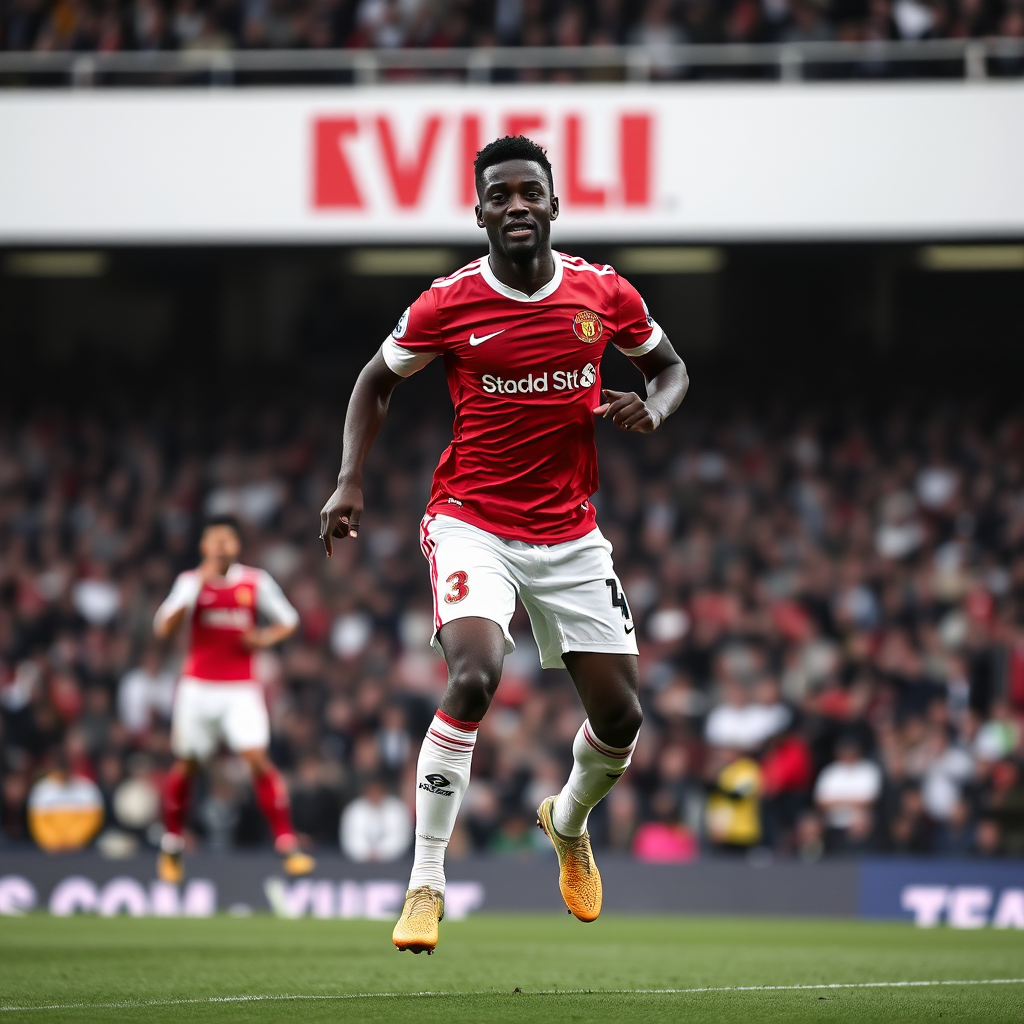



 Hình minh hoạ: nohu




 Hình minh hoạ: sun win



 Hình minh hoạ: Game bài đổi thưởng tiền thật




 Hình minh hoạ: game bài đổi thưởng




 Hình minh hoạ:


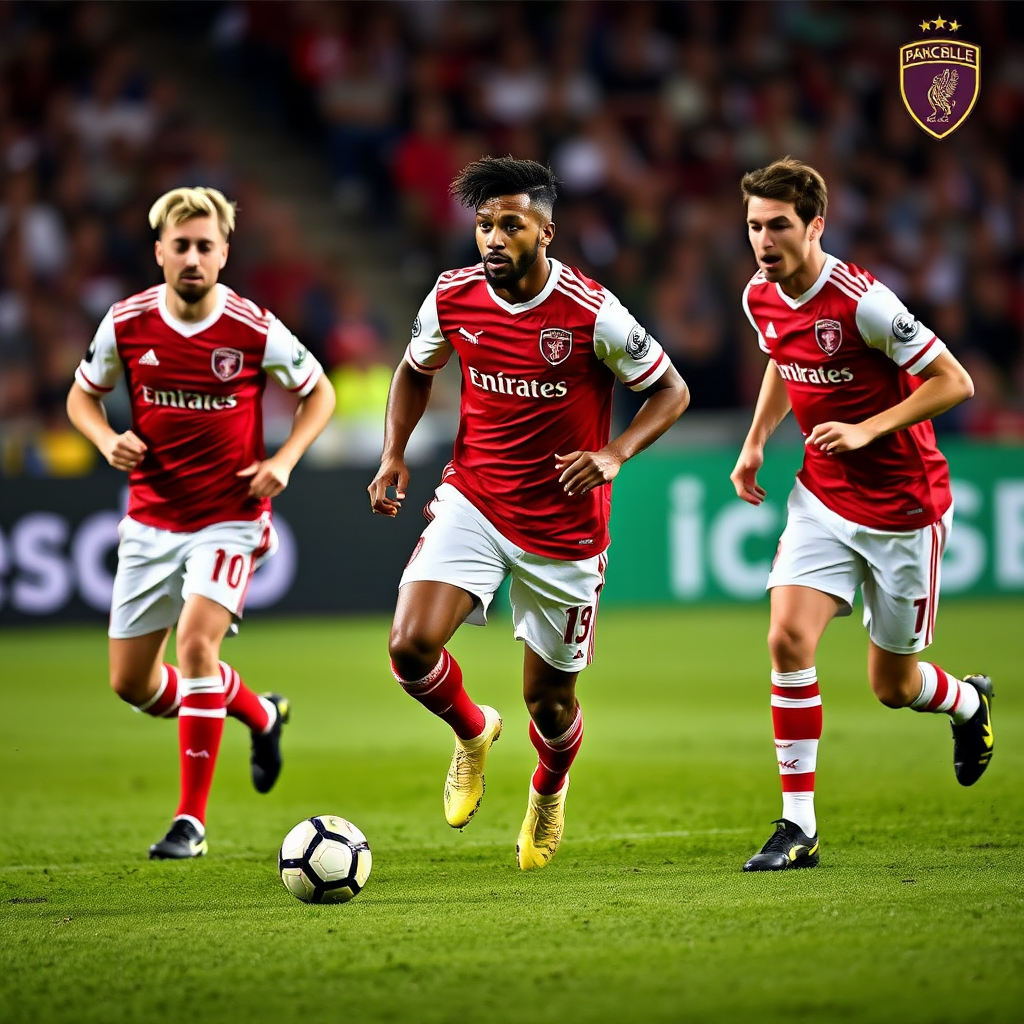

 Hình minh hoạ: hitclub