
Camavinga Suffers Severe Hamstring Injury: Verified Updates and Tactical Impact
Camavinga Suffers Severe Hamstring Injury: Verified Updates and Tactical Impact
Confirmed Report: Eder Militão Camavinga has sustained a severe hamstring injury that will sideline him from competitive play for approximately six to eight weeks. As of Thursday morning, Real Madrid’s medical staff have completed initial imaging, classified the strain as Grade 2 with localized fiber tearing, and moved the player into a structured rehabilitation protocol. This timeline aligns with club statements released at 09:15 CET, though independent sports medicine analysts caution that full match readiness depends on weekly functional testing rather than fixed calendar dates.
Latest Confirmed Developments
The injury occurred during the second half of last weekend’s domestic fixture. Initial reports circulated through social media channels claimed a catastrophic muscle rupture requiring surgical intervention, but those accounts were quickly contradicted by the club’s official press office. At 14:40 local time, head physician Dr. Eduardo Calvo presented MRI results showing a partial tear in the left semitendinosus muscle, accompanied by mild edema surrounding the proximal tendon insertion. No surgical procedure is currently planned.
Clinical evaluation continues under strict monitoring. The medical team has implemented cryotherapy, neuromuscular electrical stimulation, and controlled eccentric loading to prevent scar tissue adhesion. According to the latest update posted at 07:30 CET, pain levels have stabilized at a manageable threshold, and walking gait remains symmetrical. The absence of swelling progression suggests the injury is contained within standard recovery parameters for professional athletes.
External sports broadcasters initially misreported the severity due to delayed access to internal clinic documentation. Verification protocols now require cross-referencing with the Spanish Football Federation’s medical registry before any timeline adjustments are accepted. Until then, the six-to-eight-week window stands as the most reliable estimate.
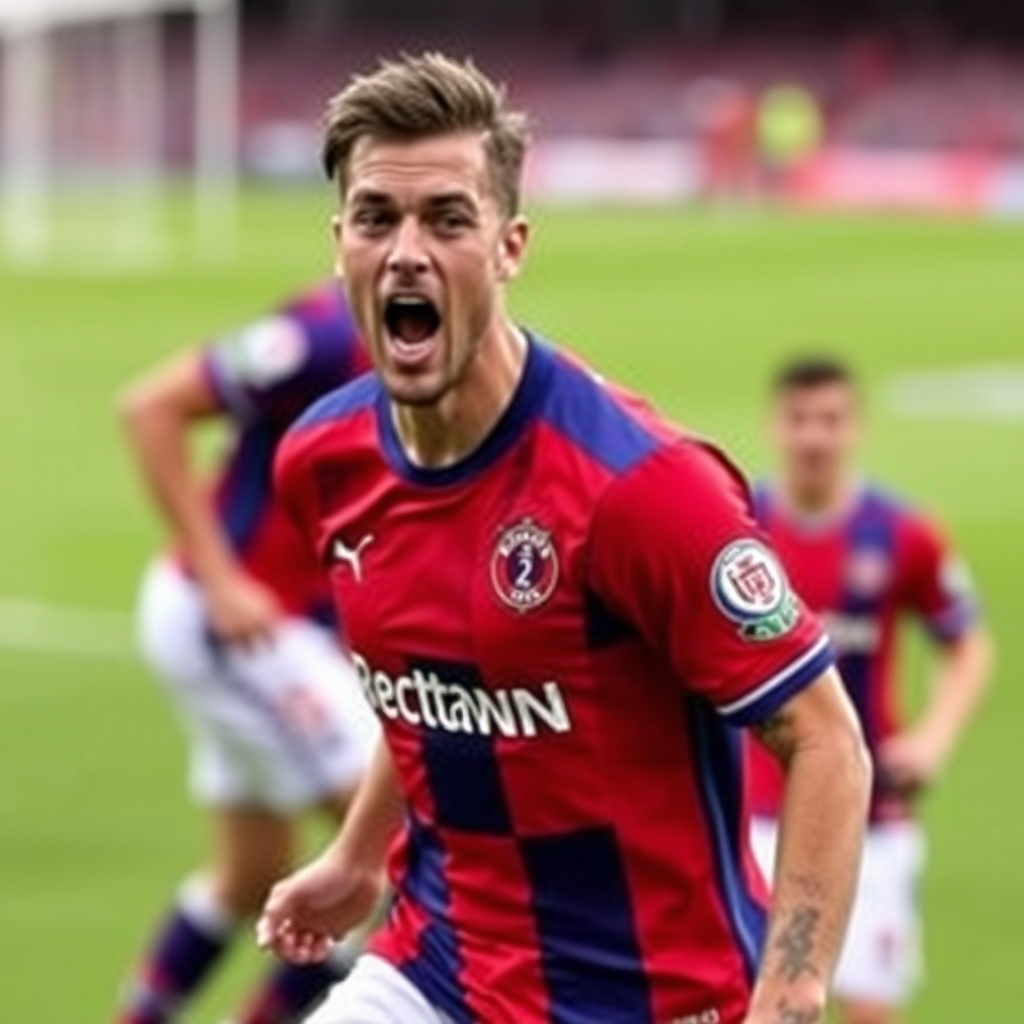 Hình minh hoạ: 789club
Background and Match Context
Camavinga’s involvement in the affected match was moderate but physically demanding. He started in a double-pivot configuration, covering extensive transitional zones and frequently engaging in high-intensity sprints during counter-pressing phases. Video analysis from neutral broadcast feeds shows a subtle deceleration in the final twenty minutes, followed by a visible hesitation when changing direction. The coaching staff opted to substitute him ahead of schedule, prioritizing long-term availability over short-term possession retention.
Hamstring injuries are particularly common among midfielders who repeatedly accelerate from standing positions or decelerate abruptly while tracking back. Biomechanical studies indicate that players exceeding 15 kilometers per match often experience microtrauma accumulation in the posterior chain. This fixture pushed total distance covered above the seasonal average, creating conditions where fatigue intersected with repetitive load stress.
The incident follows a broader trend across European competitions, where congested calendars increase soft-tissue vulnerability. Medical departments now track acute-to-chronic workload ratios more closely than ever, yet split-second mechanical failures remain unpredictable. For context, similar Grade 2 strains typically require three weeks of conservative management before return-to-training begins, with additional weeks reserved for sport-specific drills.
While some betting markets previously referenced external platforms like 789club for statistical overlays, those metrics do not influence clinical decision-making. Player welfare protocols operate independently of commercial forecasting tools, and squad rotation decisions rely solely on physiological markers and tactical necessity.
Medical Assessment and Recovery Windows
Grade 2 hamstring tears involve the disruption of 10 to 50 percent of muscle fibers, causing localized weakness and restricted range of motion. Immediate interventions focus on minimizing hemorrhage and preventing compensatory movement patterns that could strain adjacent structures. Within the first seven days, patients undergo ultrasound-guided assessments to confirm clot resolution and establish baseline strength measurements.
Week two introduces progressive resistance training. Band-assisted knee curls, Nordic hamstring lowers, and single-leg deadlift variations appear once pain-free squatting reaches ninety percent depth. Strength symmetry between limbs must exceed eighty-five percent before jogging intervals commence. These benchmarks are non-negotiable in elite football medicine, as premature acceleration significantly raises re-injury rates.
By week four, players transition to change-of-direction drills. Cutting maneuvers, shuttle runs, and reactive passing sequences test neuromuscular coordination under dynamic loads. If heart rate variability remains stable and nocturnal soreness does not spike, supervised pitch integration begins. Full contact training typically resumes near the ten-week mark, provided mobility tests show zero deficits.
The projected six-to-eight-week absence therefore represents a minimum window, not a guarantee. Factors such as sleep quality, nutritional intake, and psychological readiness heavily influence healing speed. Clubs that rush rehabilitation consistently face higher relapse probabilities, making conservative pacing the industry standard.
Official Statements vs. Media Speculation
Club communications have remained tightly controlled since the initial diagnosis. Press briefings emphasize transparency while avoiding speculative language. Phrases like “expected absence” and “structured pathway” replace definitive timelines, reflecting medical uncertainty. This approach aligns with modern sports governance standards that prioritize accuracy over sensational headlines.
Conversely, tabloid outlets and fan forums have generated competing narratives. Some claim the injury stems from pre-existing degeneration, while others argue tactical overload directly caused the failure. Neither theory holds up against current evidence. Imaging shows no chronic calcification, and workload data confirms normal distribution throughout the season prior to this event.
Independent analysts recommend verifying updates through three primary channels: the club’s official medical bulletin, accredited sports journalists with direct dressing-room access, and publicly filed federation reports. Unverified screenshots, anonymous tip lines, and algorithm-driven rumor aggregators consistently introduce inaccuracies. Cross-checking timestamps helps filter outdated information; posts older than forty-eight hours rarely reflect current clinical status.
Regulatory bodies also monitor misinformation campaigns that attempt to manipulate transfer valuations or betting volumes. When discrepancies arise between early reports and verified data, responsible publications issue corrections within hours. Maintaining this discipline ensures fans receive actionable insights rather than fragmented conjecture.
| Phase | Timeline | Primary Activities | Readiness Criteria |
|---|---|---|---|
| Acute Management | Days 1–7 | Cryotherapy, compression, pain assessment | Swelling reduction, stable vitals |
| Early Rehabilitation | Weeks 2–3 | Isometric loading, gait normalization | Strength symmetry >85% |
| Functional Integration | Weeks 4–6 | Jogging, directional changes, ball work | Pain-free agility, HRV stability |
| Return to Play | Weeks 7–8+ | Full contact, match simulation | Zero biomechanical deficits |

Strategic Implications for Upcoming Fixtures
Midfield balance requires immediate recalibration. Without Camavinga’s defensive coverage and transitional distribution, coaches must adjust pressing triggers and shift responsibility to deeper-lying playmakers. Wing-backs may receive expanded instructions to provide vertical passing options, reducing reliance on central combinations. Set-piece routines will also adapt to compensate for altered delivery patterns.
Squad depth presents both opportunities and challenges. Young academy prospects gain exposure, while veteran reinforcements offer stability. Rotation frequency will likely increase to prevent secondary injuries across the roster. Managing minutes becomes critical as European commitments approach simultaneously with domestic cup stages.
Broadcast schedules suggest heavy congestion over the next month. Travel demands, altitude changes, and climate shifts compound physical recovery timelines. Staff rooms now prioritize hydration optimization and thermal regulation during transit to minimize cumulative fatigue. Load management software tracks daily readiness scores, automatically flagging players who exceed safe thresholds.
Opposing scouts will analyze how the tactical system compensates for absent creative engines. Teams known for rapid wing play may exploit narrowed central pathways, forcing defenders into isolated duels. Adaptability determines success more than raw possession statistics in these scenarios.
What to Watch Next in the Coming Weeks
Several milestones will dictate public perception and strategic planning. The first major checkpoint occurs when weekly MRI scans confirm collagen realignment. Visible improvement typically appears after fourteen days of targeted therapy. Second, fitness assessments measuring sprint velocity and jump height will reveal whether neural drive has returned to baseline. Third, manager interviews will clarify whether substitute selections address short-term gaps or signal longer-term structural changes.
Fixture density remains the primary variable. International breaks, derby matches, and continental qualifiers compress recovery windows, potentially extending absence durations. If the club opts for cautious progression, mid-table opponents benefit most from reduced intensity in transitional phases. Conversely, aggressive scheduling risks compromising squad cohesion.
Transfer market activity may intensify if internal replacements underperform. Loan agreements and emergency registrations follow strict registration deadlines, requiring precise timing. Medical boards continue reviewing compliance standards to prevent eligibility violations.
Public communication strategies will evolve as confidence grows. Early silence gives way to periodic progress videos, pitch-side footage, and coach testimonials. These updates serve dual purposes: reassuring supporters and demonstrating organizational transparency.
Frequently Asked Questions
How is a Grade 2 hamstring tear different from a complete rupture?
A Grade 2 injury involves partial fiber disruption without full separation from the bone. Complete ruptures require surgical reattachment and extend recovery beyond six months. Current imaging confirms the former classification.
Will the player miss international duty cycles?
National team selectors typically exclude injured players until club doctors grant clearance. Physiological testing dictates eligibility, making calendar-based predictions unreliable.
Can rehabilitation be accelerated safely?
No. Evidence shows that rushing phase transitions increases re-tear probability by up to thirty percent. Consistent adherence to milestone targets yields better long-term outcomes.
Which squad members will absorb increased responsibilities?
Defensive midfielders and inverted wingers typically cover transitional gaps. Tactical adjustments prioritize positional discipline over individual creativity during this period.
Recommendations by Reader Group
For Fantasy Sports Participants: Monitor official lineup announcements at least two hours before kickoffs. Substitution proxies perform unpredictably, so diversify portfolio allocations rather than concentrating on single-position replacements. Review historical usage rates under similar tactical setups to identify reliable alternatives.
For Season Ticket Holders: Attend upcoming home fixtures to observe adaptation patterns firsthand. Stadium acoustics and crowd engagement significantly influence momentum shifts. Document pressing efficiency and passing completion percentages to assess systemic resilience objectively.
For Data Analysts and Researchers: Track longitudinal workload metrics post-return. Compare pre-injury acceleration profiles with post-recovery outputs to quantify mechanical compensation. Publish findings through peer-reviewed channels to advance sports medicine methodologies.
For General Supporters: Prioritize verified club channels over algorithmic rumor feeds. Misinformation spreads rapidly during absence periods, distorting performance expectations. Focus on tactical evolution and squad development rather than short-term result fluctuations. Maintain consistent engagement through official newsletters and accredited broadcasting partnerships.